Muktinath Tour
Muktinath – “A Sacred Journey to Salvation”
Discover the spiritual beauty of Muktinath Temple in Mustang, Nepal, one of the most sacred pilgrimage destinations for Hindus and Buddhists. Nestled high in the Himalayas at an altitude of approximately 3,800 metres above sea level, Muktinath is a place of devotion, peace, natural beauty, and spiritual liberation.
The name Muktinath combines Mukti, meaning salvation or liberation, and Nath, meaning Lord or protector. For countless devotees, a pilgrimage to Muktinath represents a journey towards inner peace, the cleansing of past sins, and the attainment of Moksha (liberation).
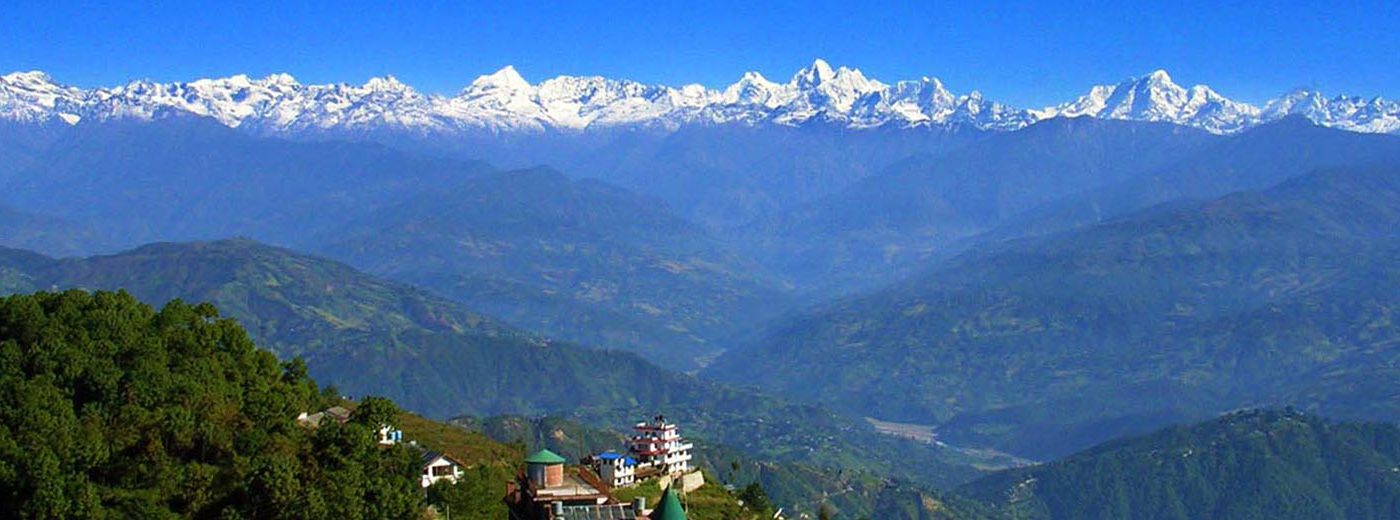
Surrounded by the magnificent Himalayan landscape, the sacred temple welcomes pilgrims and travellers seeking spiritual blessings, cultural discovery, and an unforgettable Himalayan experience.
The Religious Significance of Muktinath
Muktinath holds a unique place in Nepal’s religious and cultural heritage. It is revered by both Hindus and Buddhists, making it a remarkable symbol of religious harmony.
Muktinath: “The Sacred Place of Salvation for Hindus”
For Hindus, Muktinath is known as Muktichhetra, meaning the sacred place of liberation. The temple is dedicated to Lord Vishnu, worshipped here as Muktinath, the Lord of Salvation.
The region is also renowned for its sacred Shaligram Shilas, naturally occurring ammonite fossils found along the Kali Gandaki River. These stones are revered by Hindus as manifestations of Lord Vishnu and hold deep religious significance.
Many devotees believe that visiting Muktinath, offering prayers, and bathing beneath the sacred waterspouts bring spiritual purification and blessings.
Muktinath: Chumig Gyatsa in Buddhism
In Tibetan Buddhism, Muktinath is known as Chumig Gyatsa, meaning the Place of 108 Waters. The site is associated with Guru Rinpoche, also known as Padmasambhava, who is revered for his role in spreading Buddhism in Tibet.
Buddhist pilgrims visit Muktinath to meditate, offer prayers, and experience the sacred atmosphere of this Himalayan sanctuary. The temple’s spiritual importance to both religions makes it one of Nepal’s most distinctive pilgrimage destinations.
Muktinath Temple: “A Symbol of Hindu-Buddhist Harmony”
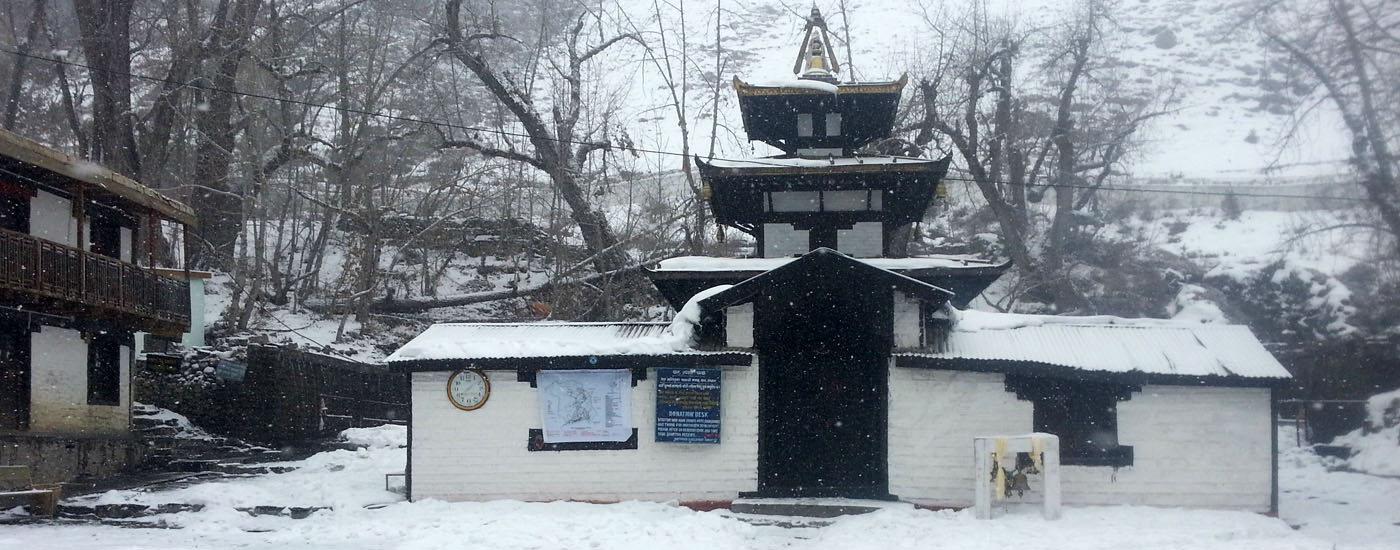
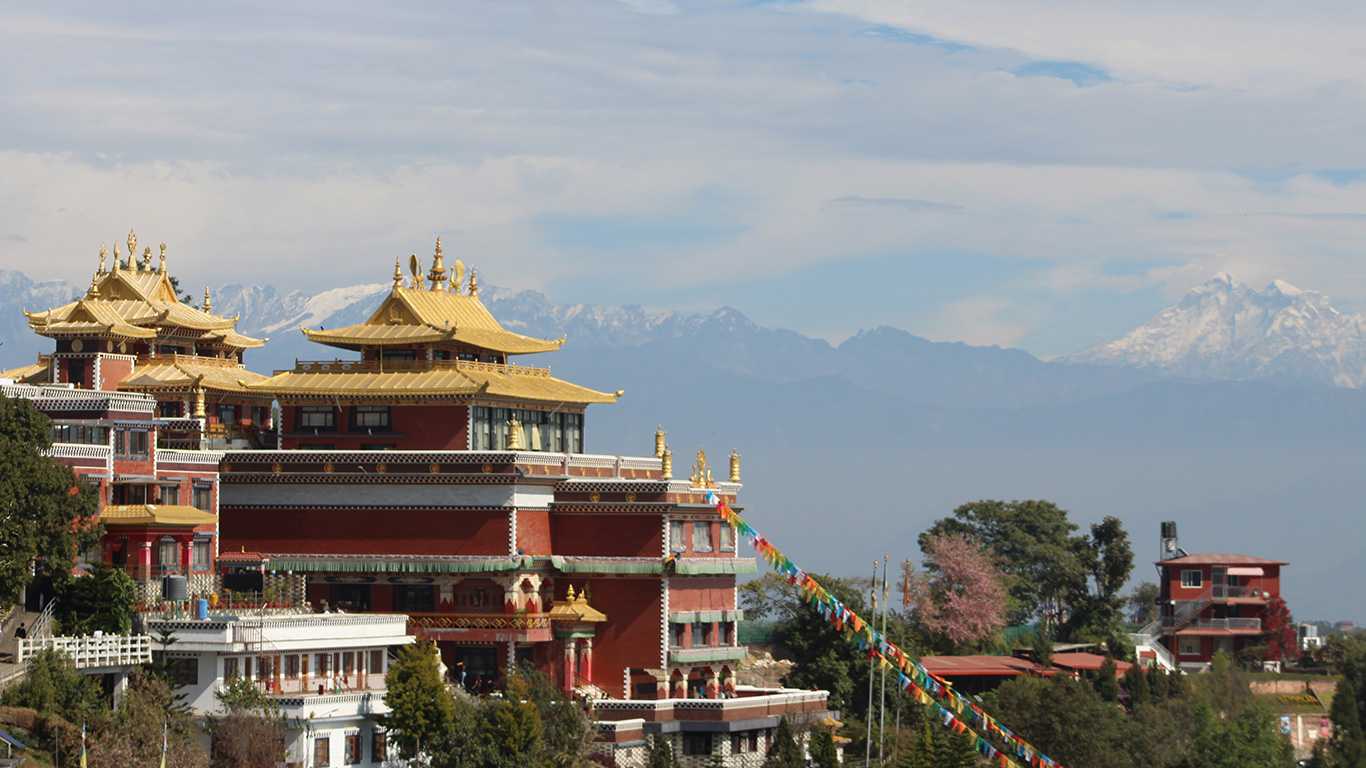
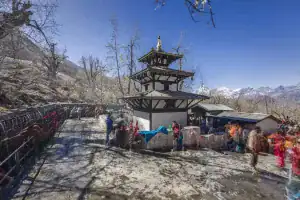
The beautiful pagoda-style Muktinath Temple stands as a symbol of the harmonious coexistence of Hindu and Buddhist traditions. While Hindus worship Lord Vishnu as Muktinath, the sacred complex also holds deep significance for Buddhists.
The temple complex features religious images and traditional shrines associated with Hindu worship. Its peaceful surroundings, colourful prayer flags, and dramatic mountain scenery create a memorable atmosphere for pilgrims and visitors alike.
Whether you travel to Muktinath for religious devotion, cultural exploration, or the natural beauty of Mustang, the temple offers a meaningful connection with Nepal’s rich spiritual heritage.
The 108 Sacred Waterspouts of Muktidhara
Located near the main Muktinath Temple is Jwala Mai Temple, also known in the Buddhist tradition as Dhola Mebar Gompa. This sacred site is famous for its natural flames, which are associated with the elements of earth, water, and fire.
The flames are traditionally regarded as a miraculous manifestation of divine energy. Hindu devotees worship the sacred fire as Jwala Mai, the Goddess of Fire, while Buddhists revere the site as an important spiritual destination.
The combination of natural flames, flowing water, and the peaceful Himalayan surroundings makes Jwala Mai Temple an essential stop during a visit to Muktinath.
Monasteries and Spiritual Attractions Around Muktinath
Beyond the main shrine, the Muktinath Temple complex offers several important religious sites worth exploring.
-
Mharme Lha Khang Gompa: A monastery associated with Guru Rinpoche (Padmasambhava), offering visitors an opportunity to experience the Buddhist heritage of the region.
-
Gomba Samba: A monastery near the entrance to the Muktinath Temple complex, associated with Buddhist deities and spiritual traditions.
-
Jwala Mai Temple: A sacred site renowned for its natural flames and religious significance.
-
Ranipauwa: A nearby settlement serving as an important base for pilgrims, with accommodation, restaurants, and local facilities.
-
Kagbeni: A historic village on the route to Muktinath, known for its traditional architecture, monasteries, and distinctive Mustang landscape.
These places allow visitors to experience the region’s spiritual traditions, local culture, and beautiful Himalayan scenery beyond the main temple.
Festivals Celebrated at Muktinath
Muktinath attracts pilgrims throughout the year, with particularly large gatherings during important Hindu and Buddhist festivals.
Some significant occasions include:
-
Ram Navami: A major Hindu festival celebrated in honour of Lord Rama.
-
Rishitarpani / Janai Purnima: A sacred occasion associated with ritual bathing, prayers, and religious observances.
-
Vijaya Dashami: An important Hindu festival celebrated with devotion and traditional rituals.
-
Yartung Festival: A traditional festival celebrated in Mustang, particularly associated with the local communities and their cultural heritage.
During these occasions, Muktinath becomes especially vibrant as pilgrims and visitors gather to pray, participate in rituals, and celebrate their religious and cultural traditions.
Why Visit Muktinath Temple in Nepal?
A pilgrimage to Muktinath is more than a visit to a sacred temple. It is an opportunity to experience the extraordinary combination of spirituality, Himalayan landscapes, and Nepal’s diverse cultural heritage.
The holy shrine, which is said to have risen on its own, is one of eight such shrines (the others include Srirangam, Sri Mushnam, Tirupati, Naimisaranyam, Thottadri, Pushkaram and Badrinath). It is also one of 108 Vaishnava shrines
It is believed that one should visit this temple after completing pilgrimage of four special religious sites, Chardham Yatra of India; Muktinath must be visited once.
Once Pilgrimage journey made to this holy Muktinath, holy dip in the Kunda and bath beneath of 108 waterspouts “Muktidhara” is believed to bring about salvation (Moksha) and to fulfill your wishes.
Here are some reasons to include Muktinath in your Nepal travel plans:
-
Spiritual blessings: Visit one of the most revered Hindu pilgrimage destinations in Nepal.
-
Hindu-Buddhist heritage: Explore a sacred place respected by two major religious traditions.
-
The 108 Mukti Dhara: Experience the traditional holy-bathing ritual beneath the sacred waterspouts.
-
Jwala Mai’s sacred flames: Visit a unique religious site associated with natural fire.
-
Himalayan scenery: Enjoy breathtaking views of the surrounding mountains and Mustang’s rugged landscape.
-
Cultural exploration: Discover traditional villages, monasteries, and the distinctive culture of the Mustang region.
Whether you are travelling with family, joining a religious pilgrimage, or exploring Nepal’s cultural destinations, Muktinath offers a journey filled with devotion, discovery, and lasting memories.
Best Time to Visit Muktinath Temple
The best time to visit Muktinath generally depends on weather conditions, road accessibility, and your preferred travel experience.
|
Season |
What to expect |
|---|---|
|
March–May |
Spring weather, relatively comfortable daytime temperatures, and beautiful mountain scenery. |
|
June–September |
Monsoon conditions can affect roads and travel schedules, particularly along routes outside Mustang’s rain-shadow area. |
|
October–November |
Often favourable for clear mountain views and pilgrimage travel, although temperatures can drop considerably. |
|
December–February |
Very cold winter conditions, with possible snowfall, icy roads, and travel disruptions. |
Recommended time: Spring (March–May) and autumn (October–November) are generally suitable periods for planning a Muktinath pilgrimage. However, conditions can change quickly at high altitude, so check local weather, road conditions, and flight availability before travelling.
General Information for Travelling to Muktinath
Planning ahead helps make your Muktinath pilgrimage more comfortable and enjoyable. The following information covers transportation, accommodation, climate, clothing, and local facilities.
How to Reach Muktinath
Muktinath is located in the Mustang district of north-central Nepal, approximately 18 kilometres northeast of Jomsom by the commonly described route, at an altitude of around 3,800 metres. Travellers can reach the region by air, road, trekking, or chartered helicopter, depending on their time, budget, and physical comfort.
1. By Flight: Pokhara to Jomsom
Flights from Pokhara to Jomsom typically take around 20–30 minutes when operating. This is a convenient option for travellers who want to reduce their road travel time.
From Jomsom, you can continue towards Muktinath by local jeep or other available transport, or undertake a trek if conditions and your fitness permit.
Flight schedules depend on weather conditions, so allow flexibility in your itinerary.
2. By Road: Pokhara to Muktinath
Travelling by road allows you to experience the changing landscapes of the Kali Gandaki Valley, traditional settlements, and the dramatic scenery of Mustang.
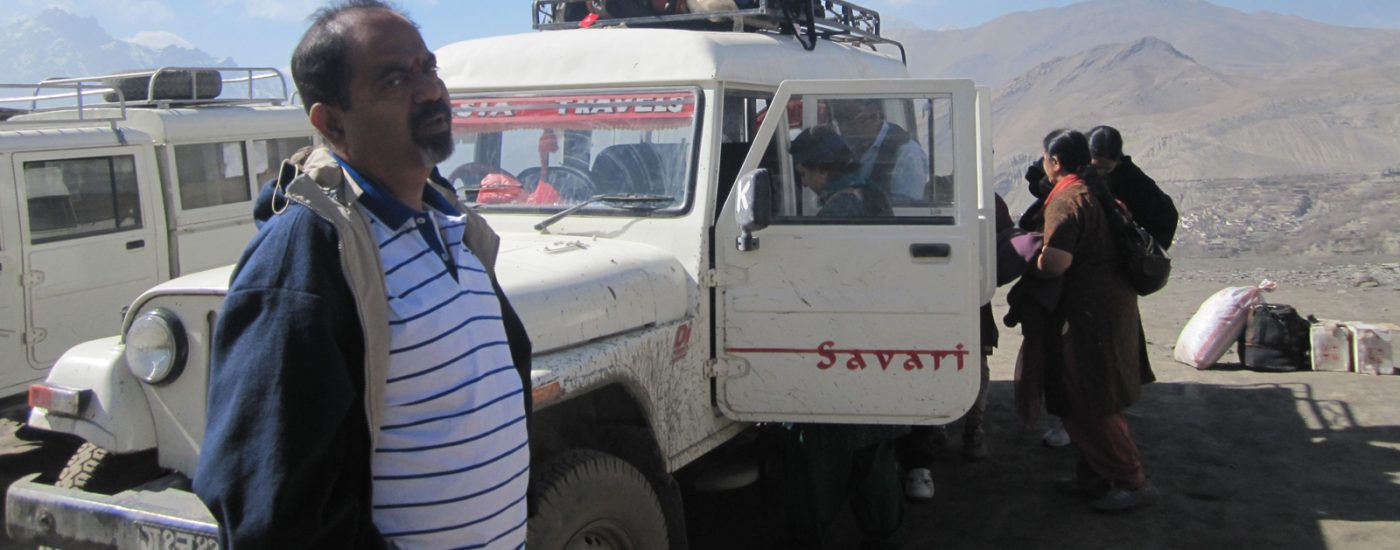
From Jomsom, local jeeps and other suitable vehicles can take you towards Kagbeni and Ranipauwa, the settlement near Muktinath Temple. Travel time varies depending on road conditions, vehicle type, and the season.
3. By Trekking: A Scenic Himalayan Journey
For travelers who enjoy walking and mountain scenery, trekking offers a rewarding way to experience the region.
Popular routes include:
-
Pokhara to the lower Mustang trekking region.
-
Jomsom to Kagbeni and onward towards Muktinath.
-
Exploring traditional settlements such as Jharkot and Ranipauwa.
A trek from Pokhara through the Kali Gandaki Valley can take approximately 7–8 days or longer, depending on the itinerary. The walk from Jomsom to Muktinath is also possible, but duration varies with the route, pace, altitude, and weather.
4. By Helicopter: Kathmandu or Pokhara to Muktinath
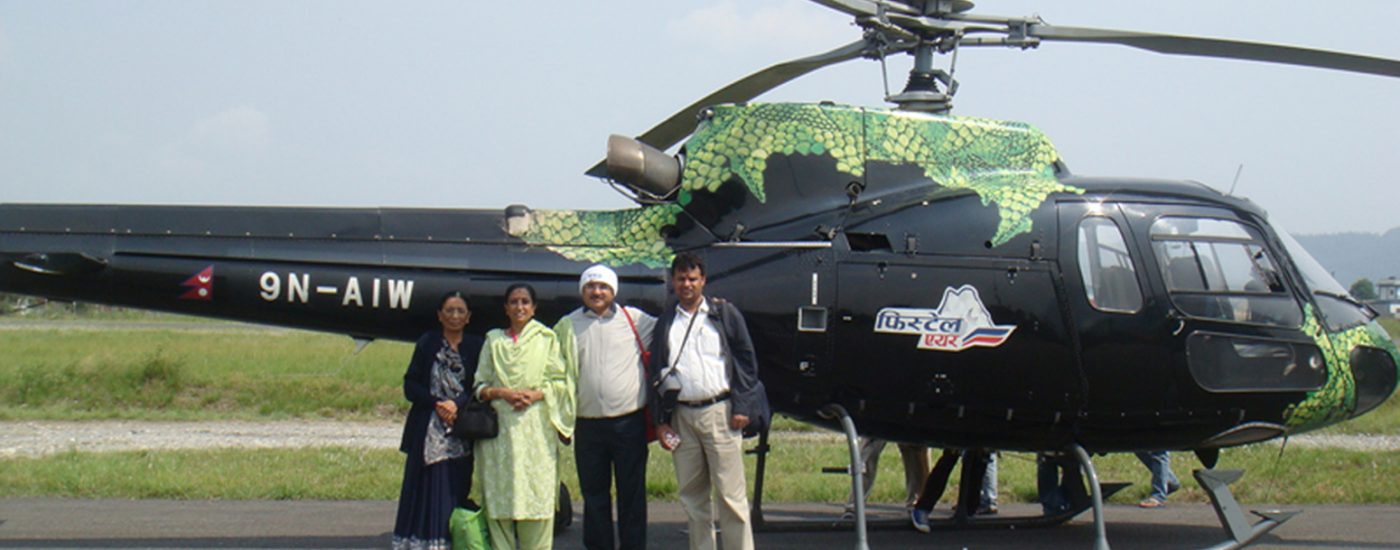
Chartered helicopter services may be available from Kathmandu or Pokhara, offering a convenient option for travellers with limited time or those seeking aerial views of the Himalayas.
Flight duration varies according to the departure point, route, weather, and landing arrangements. Helicopter trips remain subject to aviation and weather conditions, particularly in mountainous terrain.
Which Route Should You Choose?
-
For convenience: Consider a road journey or a flight to Jomsom followed by road transport.
-
For adventure: Choose a trekking itinerary through the Kali Gandaki Valley.
-
For limited time: Explore chartered helicopter options.
-
For a family pilgrimage: Plan a route according to the mobility, fitness, and altitude tolerance of everyone travelling.
Places to Explore Around Muktinath
The surrounding Mustang region is rich in traditional villages, monasteries, and beautiful Himalayan landscapes.
Kagbeni: A historic village known for its traditional architecture, Buddhist monasteries, and scenic setting along the Kali Gandaki River.
Jharkot: A traditional Mustang settlement with historic buildings, religious heritage, and views of the surrounding landscape.
Ranipauwa: The main settlement near Muktinath Temple, offering convenient access to the shrine, accommodation, and restaurants.
Purang and Khinga: Nearby traditional settlements that offer insight into local life and the cultural landscape of the Muktinath region.
Exploring these places adds cultural depth to your pilgrimage and allows you to experience more of Mustang beyond the temple itself.
Climate and Weather in Muktinath
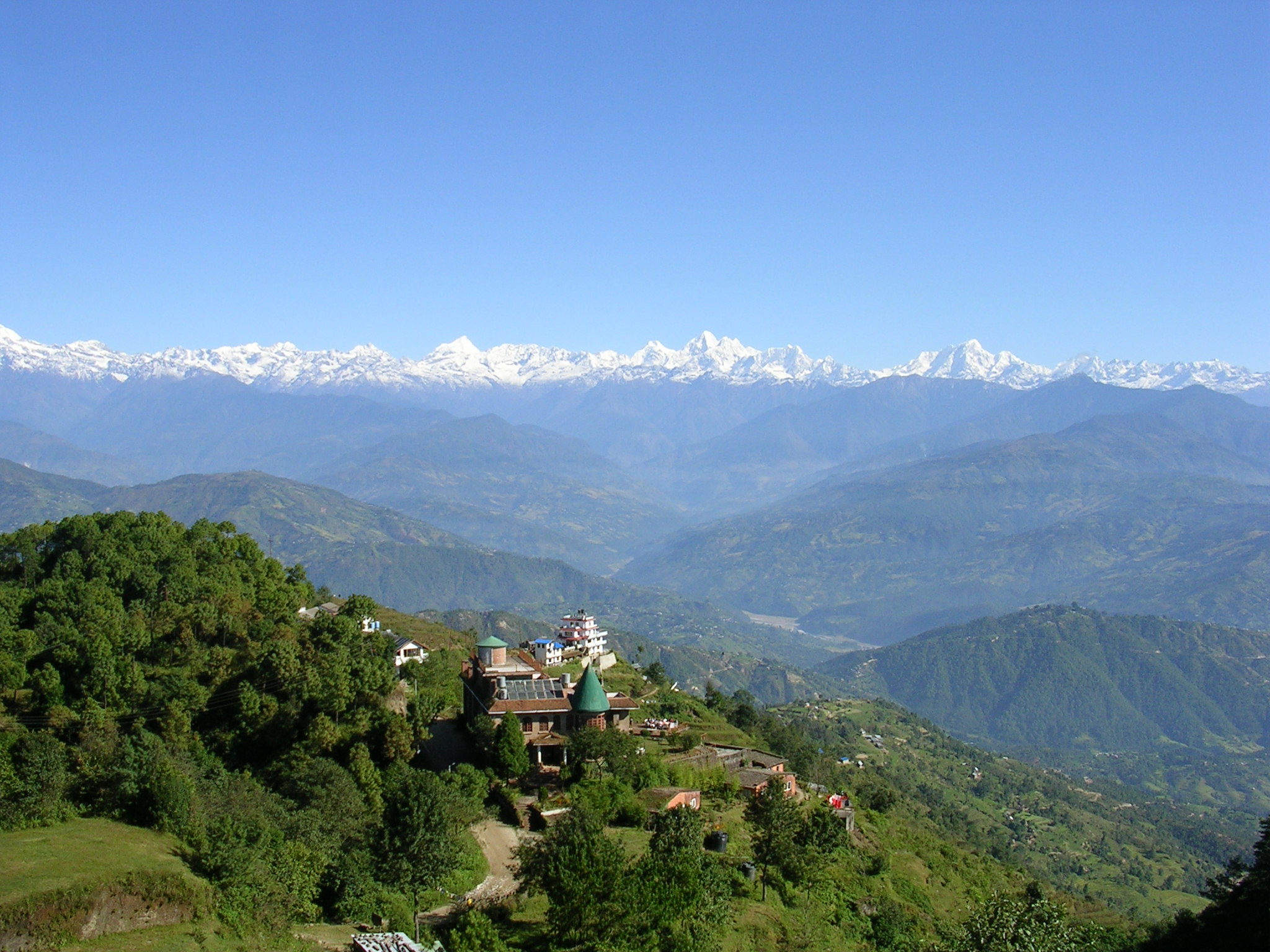
Muktinath lies in the high-altitude Mustang region, in the rain shadow of the Greater Himalayas. Its landscape is relatively dry and rugged, with wide valleys, rocky terrain, and dramatic mountain views.
The climate can change quickly, and temperatures may vary considerably between daytime and nighttime.
- Spring: Generally pleasant during the day, but mornings and evenings can be cold.
- Summer: Daytime conditions may be comfortable, although wind, rain along access routes, and changing weather can affect travel.
- Autumn: Often offers clear skies and excellent mountain views, with increasingly cold nights.
- Winter: Extremely cold conditions, possible snowfall, and icy roads can make the journey more challenging.
Because Muktinath is located at a high altitude, travellers should allow time to adjust to the elevation, stay hydrated, avoid overexertion, and seek medical advice if they have concerns about travelling at altitude.
What to Wear for the Muktinath Yatra
Warm and comfortable clothing is essential for a pleasant Muktinath pilgrimage, even during the warmer months.
We recommend carrying:
- A warm jacket or down jacket.
- Woollen sweaters and thermal layers.
- Comfortable trekking shoes with good grip.
- Warm socks, gloves, and a hat.
- Comfortable trousers and everyday clothing.
- Sunglasses, sunscreen, and a reusable water bottle.
- Rain protection and any personal medication you need.
For winter travel, additional thermal layers and appropriate protection against snow and freezing temperatures are important.
Accommodation and Food in Muktinath
Travelers can find hotels, guesthouses, and lodges in Ranipauwa, Jharkot, Jomsom, and other nearby settlements.
Depending on the property, accommodation may offer attached bathrooms, hot showers, and basic heating facilities. Restaurants and local eateries serve meals suitable for pilgrims and travellers, with options varying by location and season.
Dharamshalas and other budget-friendly accommodation may also be available for pilgrims. We recommend booking in advance during major festivals and busy travel periods.
Other Facilities
Basic facilities are available in the wider Muktinath and Mustang region, although services can be more limited than in larger cities. Depending on the location, travellers may find:
- Telephone and mobile connectivity.
- Health facilities and medical assistance.
- Police and tourist information services.
- Shops, restaurants, and accommodation.
- Electricity and drinking-water facilities.
Carry sufficient cash, essential medicines, and any personal supplies you may need. Services and availability can vary by season and settlement.
Entry Permits and Travel Regulations
Muktinath lies within the Annapurna Conservation Area. Travellers should check the current conservation-area entry requirements and applicable fees before departure, as charges and regulations may change.
Depending on the itinerary and traveller category, permit requirements may differ. Carry valid identification and any required travel documents, and obtain permits through authorised channels.
Visitors should also respect the religious customs of the temple and monasteries. Photography and filming may be restricted inside certain sacred buildings, so always follow posted instructions and guidance from local authorities or temple staff.
Frequently Asked Questions About Muktinath Temple
1. Where is Muktinath Temple located?
Muktinath Temple is situated in Mustang district in north-central Nepal, near Ranipauwa and approximately 18 kilometres northeast of Jomsom by the commonly described route.
2. Why is Muktinath Temple famous?
Muktinath is famous as a sacred pilgrimage destination for Hindus and Buddhists. Its major attractions include the main Vishnu shrine, 108 Muktidhara waterspouts, two sacred ponds, Jwala Mai Temple, and the surrounding Himalayan landscape.
3. What is the significance of the 108 waterspouts?
Known as Muktidhara, the 108 waterspouts are associated with spiritual purification. Hindu pilgrims traditionally bathe beneath the flowing water as part of their religious observance.
4. When is the best time to visit Muktinath?
Spring and autumn are generally favourable seasons, especially March to May and October to November. Always check the latest weather and transport conditions before travelling.
5. Can we reach Muktinath by road?
Yes. Travellers can generally reach the Muktinath area by road from Pokhara via the Mustang region, although road conditions and accessibility vary with the season.
6. Is a helicopter available to Muktinath?
Chartered helicopter services may be available from Kathmandu or Pokhara, subject to weather, operational schedules, and landing arrangements.
7. How many days are needed for a Muktinath pilgrimage?
A short trip may take around 2–4 days from Pokhara, depending on transport connections and the itinerary. Longer trips allow time to explore Mustang, while trekking itineraries require additional days.
8. Is Muktinath suitable for elderly pilgrims?
It may be suitable for some elderly travellers, but the high altitude, cold weather, uneven paths, and physical demands require careful planning. Consult a healthcare professional where appropriate and arrange suitable transport and assistance.
Plan Your Muktinath Pilgrimage with Tirupati Holidays …..
A journey to Muktinath Temple in Nepal is an opportunity to discover a sacred destination where faith, tradition, and the beauty of the Himalayas come together. From offering prayers at the holy shrine and experiencing the 108 Muktidhara waterspouts to exploring the traditional villages of Mustang, every part of the journey offers something meaningful.
At Tirupati Holidays Tours and Travel, we welcome you to experience the spiritual beauty of Muktinath with a thoughtfully planned pilgrimage tailored to your travel needs. Whether you are travelling with family, joining a religious group, or exploring Nepal’s cultural treasures, we can help you plan your journey with care.
Let your pilgrimage become a memorable experience filled with devotion, discovery, and the peaceful charm of the Himalayas.
Discover Muktinath with Tirupati Holidays — Your unforgettable journey awaits.