Nepal is a beautiful landlocked country in South Asia, nestled between China to the north and India to the south, east, and west. Known for its majestic Himalayas and diverse landscapes, Nepal is home to Mount Everest, the world’s highest mountain, breathtaking snow-capped peaks, lush green hills, and the warm, fertile plains of the Terai.
Discover Nepal, a land of extraordinary natural beauty, rich cultural heritage, and unforgettable adventures. From the towering Himalayas and peaceful Buddhist monasteries to ancient Hindu temples, vibrant festivals, and traditional villages, Nepal offers a unique blend of nature, spirituality, and culture. Nepal is also the birthplace of Lord Buddha, the founder of Buddhism, making it an important destination for spiritual journeys and cultural exploration.
With its diverse ethnic communities, centuries-old traditions, and warm hospitality, Nepal welcomes travelers from around the world. Whether you are seeking Himalayan trekking, mountain adventures, cultural sightseeing, wildlife safaris, or peaceful spiritual retreats, Nepal promises memorable experiences at every turn.
Often celebrated as the Land of the Himalayas, Nepal is a destination where natural wonders, living traditions, and adventure come together to create a truly unforgettable journey.
General Overview
- Official Name: Federal Democratic Republic of Nepal
- Capital City: Kathmandu (a historic valley and the country’s largest metropolis)
- National Flag: The only non-rectangular flag in the world, consisting of two stacked triangles (pennons) symbolizing the Himalayas and the two main religions, Hinduism and Buddhism.
- Total Area: Approximately 147,181 sq. km (about 0.1% of the Earth’s landmass).
- Population: 31.1 million (2024/2026 estimate).
Geography & Topography
Nepal is vertically divided into three distinct ecological belts:
- The Himalayan Region (North): Home to 8 of the world’s 14 highest peaks over 8,000 meters, including Mount Everest (8,848.86m). This region is sparsely populated but a mecca for mountaineers.
- The Hilly Region (Central): Characterized by lush valleys and rolling hills. It includes the Kathmandu and Pokhara valleys and serves as the cultural heart of the nation.
- The Terai Region (South): A flat, fertile strip of the Indo-Gangetic Plain. Known as the “Granary of Nepal,” it is rich in agriculture and dense subtropical forests.
Culture & Religion
Nepal is a vibrant mosaic of ethnicities and traditions.
- Diversity: There are 142 ethnic groups and over 123 spoken languages, with Nepali being the official language.
- Religion: Formerly the world’s only Hindu Kingdom, Nepal is now a secular state. Hinduism is the majority religion (~81%), followed by Buddhism (~9%).
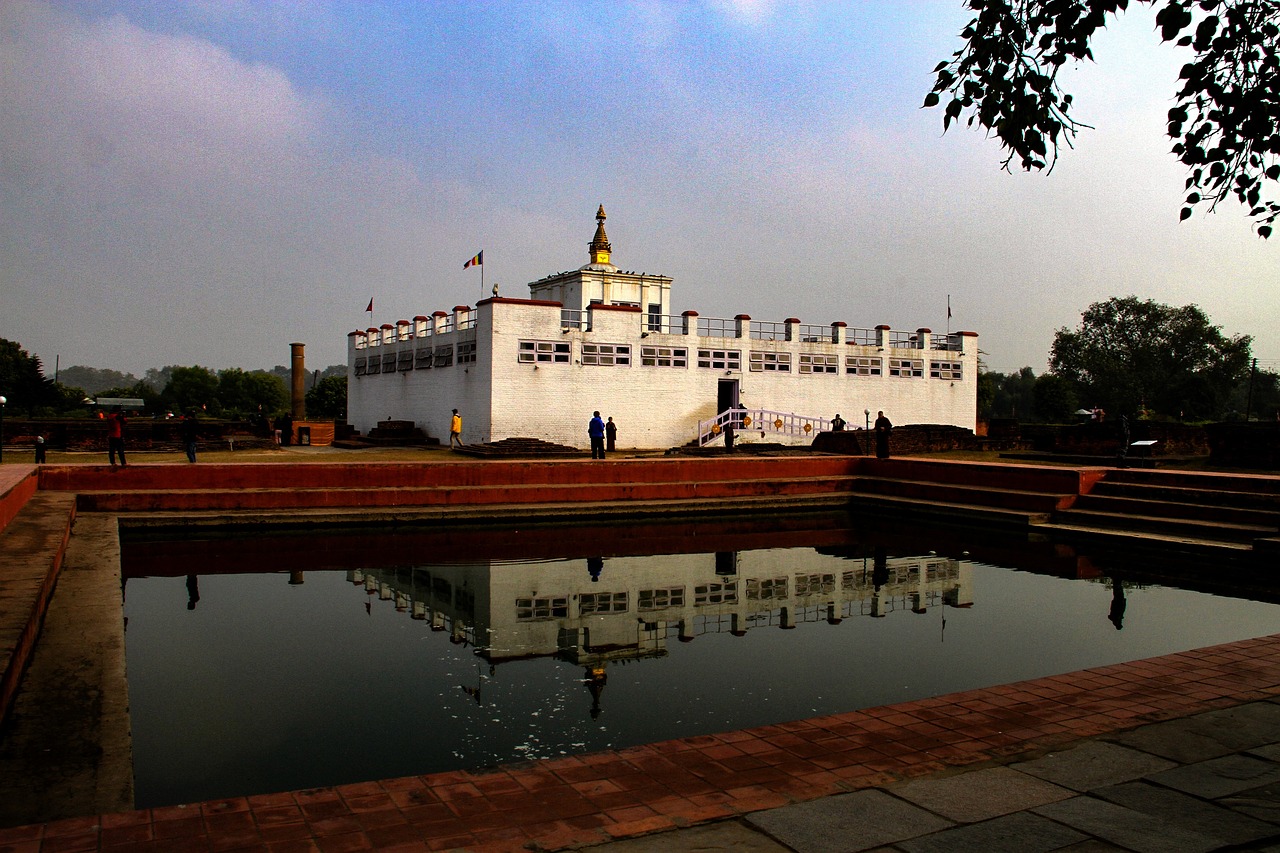
- Heritage: The country is the birthplace of Lord Buddha (Lumbini). It boasts seven UNESCO World Heritage Sites within the Kathmandu Valley alone, reflecting deep roots in Newari architecture and spiritual history.
Biodiversity
Despite its small size, Nepal is “Asia’s Amazon” due to its massive altitudinal range:
- Flora: Over 6,000 species of flowering plants, including the national flower, the Rhododendron.
- Fauna: Home to endangered species like the One-horned Rhinoceros, Royal Bengal Tiger, and the elusive Snow Leopard. It is also a bird-watcher’s paradise with over 850 recorded species.
Quick Facts for Travelers
| Feature | Details |
| Time Zone | Nepal Standard Time (UTC +5:45) |
| Currency | Nepalese Rupee (NPR) |
| Weekend | Saturday (Sunday is a working day) |
| Climate | Range from tropical in the south to arctic in the high Himalayas. |
| Main Industries | Agriculture, Tourism, and Hydropower (2nd richest in water resources). |
General Information
Entering Nepal
Nepal is accessible by air and road, making it convenient for international travelers to explore its beautiful mountains, cultural heritage, and natural attractions. Visitors can enter Nepal through Tribhuvan International Airport in Kathmandu and designated land border crossings.
1. Traveling to Nepal by Air
Tribhuvan International Airport (TIA) in Kathmandu is Nepal’s main international airport. It connects Nepal with major cities across Asia and the Middle East, with additional international connections available through connecting flights.
Travel tips for arriving by air:
- Check available flights and airline schedules before booking your trip.
- Confirm your departure flight and travel documents in advance.
- Review your airline’s baggage allowance and excess baggage charges.
- Check Nepal’s visa requirements according to your nationality before traveling.
2. Traveling to Nepal by Road
Travelers can enter Nepal by road through designated border crossings between Nepal and India, as well as through the designated Nepal–China border crossing.
Major land entry points include:
- Kakarbhitta: Eastern Nepal, near the Indian border.
- Birgunj: A major entry point in southern Nepal.
- Belahiya, Bhairahawa: Convenient for visiting Lumbini.
- Nepalgunj: An important gateway to western Nepal.
- Dhangadhi: An entry point in far-western Nepal.
- Gaddachauki, Mahendranagar: Located in far-western Nepal.
- Kodari: A designated Nepal–China border entry point.
Travelers arriving with their own vehicles should check the applicable customs requirements and international vehicle documentation before departure.
Entry Procedures and Nepal Tourist Visa Rules
Most foreign visitors require a valid tourist visa to enter Nepal. Eligible travelers can obtain a visa on arrival at designated immigration entry points or apply through a Nepalese embassy or diplomatic mission before traveling. Some nationalities must obtain a visa in advance.
Nepal Tourist Visa Fees
| Visa duration | Entry facility | Fee |
| 15 days | Multiple entry | US$30 |
| 30 days | Multiple entry | US$50 |
| 90 days | Multiple entry | US$125 |
Visa fees and eligibility requirements may change. Check the latest information with the Department of Immigration, Nepal before your trip.
Tourist Visa Extension
Tourists who wish to stay longer may apply for a visa extension through the appropriate immigration office, subject to Nepal’s immigration regulations.
- Tourist visa extensions are generally charged at US$3 per day, with a minimum extension charge applicable.
- The maximum permitted tourist stay is generally 150 days in a visa year, from January to December.
Always confirm the latest extension fees and requirements with the Department of Immigration.
Gratis (Free) Visa
Eligible travelers may qualify for a free tourist visa under Nepal’s visa policies.
- SAARC nationals: Eligible citizens of SAARC countries may receive a free tourist visa for up to 30 days once in a calendar year, subject to applicable conditions.
- Indian nationals: Indian citizens do not require a visa to enter Nepal but should carry acceptable identification and travel documents as valid passport or Election ID card.
Travelers should verify the latest requirements for their nationality before departure.
Transit Visa
Foreign nationals transiting through Nepal may be eligible for a transit visa for up to 24 hours. The current fee is US$5, subject to immigration requirements. Travelers should carry proof of onward travel, such as a valid air ticket.
Where to Obtain a Nepal Tourist Visa
Tourist visas may be available at designated immigration entry points, including:
- Tribhuvan International Airport, Kathmandu
- Kakarbhitta, eastern Nepal
- Birgunj, southern Nepal
- Belahiya, Bhairahawa
- Jamuna, Nepalgunj
- Mohana, Dhangadhi
- Gaddachauki, Mahendranagar
- Other officially designated entry points, subject to current immigration arrangements
Visitors should carry a valid passport and any other documents required for their nationality. Completing the online visa application before arrival may help make the process smoother.
Important travel advice: Visa regulations, fees, airline routes, and border arrangements can change. Before traveling to Nepal, consult the official Nepal Department of Immigration website and the Nepal Tourism Board for the latest travel information.
Customs Regulations at Nepal Airports
Travelers arriving in Nepal must follow the country’s customs regulations and declare goods when required. At Tribhuvan International Airport (TIA) in Kathmandu, passengers carrying only permitted personal belongings may use the Green Channel where available. Travelers carrying goods that require declaration or customs assessment should follow the Red Channel or the instructions of customs officials.
Import Regulations
Visitors may bring personal belongings and certain goods into Nepal under applicable duty-free allowances. The permitted quantities for tobacco, alcoholic beverages, electronic equipment, and other items are subject to current customs regulations.
Before traveling, check the latest Nepal Department of Customs guidelines for information about duty-free allowances, restricted items, and declaration requirements.
Export Regulations
Nepal protects its cultural and archaeological heritage. Exporting antiques, historic artifacts, sacred images, traditional paintings, manuscripts, and other culturally significant objects may require official authorization.
Visitors should avoid purchasing suspected antiques or protected cultural objects without verifying their authenticity and legal export status. Some items require certification or permission from the Department of Archaeology before they can be taken out of Nepal.
Airport Taxes and Passenger Service Charges
Passenger service charges for most scheduled domestic and international flights are generally included in the airline ticket price. Travelers should check their ticket conditions for any additional applicable fees, particularly for charter flights or special services.
For current information, visit the official Tribhuvan International Airport website.
Currency and Credit Cards in Nepal
The official currency of Nepal is the Nepalese Rupee (NPR or NRs). Cash is useful for local markets, small shops, rural destinations, and many trekking areas, while credit and debit cards are accepted at many major hotels, restaurants, and businesses in cities and popular tourist destinations.
Foreign Currency Exchange
Foreign currency can be exchanged at authorized banks, licensed money changers, and designated exchange counters at Tribhuvan International Airport. ATMs are also widely available in Kathmandu and other major urban areas.
Useful currency exchange tips:
- Exchange money only through authorized banks or licensed money changers.
- Keep your foreign exchange receipts, as they may be required when reconverting eligible leftover Nepalese currency before departure.
- Check the latest exchange rate before exchanging money, as rates fluctuate.
- Carry some Nepalese rupees for small purchases and destinations where card payments may not be available.
You can check current exchange rates through the Nepal Rastra Bank website.
Credit and Debit Cards
Major credit cards, including Visa and Mastercard, are accepted at many established hotels, restaurants, shops, and travel agencies. Acceptance may be limited in remote villages and mountain trekking regions, so carrying sufficient local cash is recommended.
Nepalese Currency Denominations
Nepalese banknotes include denominations of NPR 5, 10, 20, 50, 100, 500, and 1,000. Coins are also in circulation, and one rupee is equal to 100 paisa.
Banking and Money Exchange Advice
Banks, licensed money changers, and selected hotels provide foreign exchange services. Operating hours vary by institution, location, weekday, and public holiday.
For a smooth trip to Nepal, keep your money secure, check exchange rates before making transactions, and use authorized financial service providers.
Travel tip: Customs allowances, currency rules, and airport charges can change. Always confirm the latest official regulations before your journey to Nepal.
Nepal Health Guide for Travelers
Staying healthy is an important part of enjoying your trip to Nepal. Whether you are exploring Kathmandu’s cultural heritage, trekking in the Himalayas, enjoying a wildlife safari, or participating in adventure activities, a little preparation can help make your journey safer and more comfortable.
1. Travel Insurance
Comprehensive travel insurance is strongly recommended for visitors to Nepal. Choose a policy that covers medical treatment, emergency evacuation, trip cancellation, theft, and loss of belongings.
If you plan to go trekking, climb mountains, enjoy white-water rafting, or participate in other adventure activities, check that your policy specifically covers these activities, including the maximum altitude of your trek where applicable.
2. Vaccinations and Health Preparation
Vaccination requirements and recommendations depend on your travel history, destinations, planned activities, and current health advice. Consult your doctor or a travel health clinic before departure to discuss routine vaccinations and any additional vaccines recommended for Nepal.
Travelers should also seek advice about food- and waterborne illnesses, insect-borne diseases, altitude sickness, and any personal medical needs. Carry sufficient supplies of prescribed medication and keep it in its original packaging when possible.
3. Recommended Travel Medical Kit
A compact first-aid kit can be useful when traveling in Nepal, particularly in remote areas where pharmacies and medical facilities may be limited.
Consider packing:
- Pain and fever relief, such as paracetamol or acetaminophen, if suitable for you.
- Antihistamines for allergies or insect bites.
- Oral rehydration salts to help replace fluids and electrolytes.
- Antiseptic wipes and basic wound-care supplies.
- Adhesive bandages, sterile dressings, and medical tape.
- Tweezers, small scissors, and a digital thermometer.
- Insect repellent and sunscreen.
- Water purification tablets or a suitable water filter.
- Blister plasters or moleskin for trekking.
- Personal prescription medicines and copies of prescriptions.
- Any regularly used eye, ear, or nasal medication.
- Throat lozenges and antacids, if needed.
Antibiotics should only be used when prescribed by a qualified healthcare professional. Ask your doctor or pharmacist which medicines are appropriate for your circumstances.
4. Food and Water Safety in Nepal
Food and water precautions can help reduce the risk of stomach upsets during your Nepal holiday.
Useful health and hygiene tips:
- Drink sealed bottled water from a reliable source or water that has been properly boiled or treated.
- Avoid untreated tap water and ice unless you know the water is safe.
- Choose freshly cooked food served hot.
- Wash your hands regularly with soap or use hand sanitizer.
- Wash fruit with safe water or peel it yourself.
- Be cautious with raw salads, unpasteurized milk, and food that has been left uncovered or unrefrigerated.
- Choose clean, reputable places when buying meals and drinks.
- Use safe water for brushing your teeth when water quality is uncertain.
- Protect yourself from insect bites with suitable repellent and clothing.
- Use sun protection and dress appropriately for changing weather conditions.
Health Tips for Trekking in Nepal
The weather and altitude can change rapidly in Nepal’s mountain regions. Pack suitable clothing, walk at a comfortable pace, stay hydrated, and allow enough time to acclimatize when trekking at high elevations.
Recognize the symptoms of altitude sickness, which may include headache, nausea, dizziness, and unusual tiredness. Do not continue ascending if symptoms develop. Severe symptoms require immediate descent and urgent medical assistance.
Cultural Etiquette in Nepal: Do’s and Don’ts
Nepal is known for its diverse ethnic communities, religious traditions, festivals, and warm hospitality. Understanding local customs can help you connect with Nepalese people and enjoy a more meaningful travel experience.
1. Greeting People
The traditional greeting in Nepal is “Namaste,” usually accompanied by placing the palms together in front of the chest. A friendly greeting and respectful attitude are appreciated throughout the country.
2. Respect Religious Sites
When visiting temples, monasteries, stupas, and traditional homes, observe local customs and follow posted instructions.
- Remove your shoes before entering places where it is customary.
- Ask permission before entering a temple, as some Hindu temples restrict entry to non-Hindus.
- Walk clockwise around stupas and many religious monuments.
- Dress modestly when visiting religious sites.
- Avoid touching sacred objects, religious offerings, or worshippers during ceremonies.
- Follow local rules regarding leather items and other restricted objects.
- Ask permission before taking photographs of people, religious ceremonies, or sacred objects.
3. Follow Local Dining Customs
Food and dining traditions vary among Nepal’s communities. As a general courtesy:
- Wash your hands before eating.
- Avoid touching another person’s food or plate without permission.
- Do not share drinking vessels or eating utensils unless invited.
- Follow your host’s guidance when eating in a traditional household.
4. Dress Respectfully
Comfortable clothing is suitable for sightseeing and travel. In villages, religious places, and traditional communities, modest clothing is generally appreciated. When trekking, prioritize practical clothing, sturdy footwear, and layers suitable for the weather.
5. Ask Before Taking Photographs
Nepal offers wonderful photography opportunities, from Himalayan scenery to colorful festivals and traditional architecture. However, always ask permission before photographing individuals, private property, or religious activities. Respect any signs prohibiting photography.
6. Respect Personal Space and Public Behavior
Public displays of affection may be considered inappropriate in some traditional settings. Be considerate of local customs, especially in rural communities and religious places.
You may also notice that gestures and body language differ across cultures. If a gesture is unclear, ask politely rather than making assumptions.
7. Respect Religious Practices and Traditions
If you encounter people praying or making offerings at shrines, observe quietly and maintain a respectful distance. Avoid interrupting ceremonies or touching offerings without permission.
Nepal is home to many ethnic, linguistic, and religious communities, each with its own customs and traditions. Be open-minded, respectful, and willing to learn.
8. Protect Nepal’s Cultural Heritage
Avoid purchasing suspected antiques, historic manuscripts, sacred images, or culturally significant artifacts without confirming their legal status. Some objects require official certification or export permission before they can be taken out of Nepal.
Preserving Nepal’s cultural heritage helps protect its traditions for future generations.
9. Show Respect for Local Communities
A genuine interest in Nepalese culture can make your journey more rewarding. Learn a few simple Nepali words, greet people politely, ask thoughtful questions, and respect local privacy.
Avoid making assumptions about a person’s caste, religion, ethnicity, or background. Treat everyone with courtesy and appreciation.
Enjoy a Safe and Meaningful Trip to Nepal
With sensible health precautions, suitable travel insurance, and respect for local customs, you can enjoy Nepal’s magnificent Himalayas, ancient temples, vibrant festivals, wildlife, and welcoming communities with greater confidence.
Travel tip: Before departure, consult a qualified healthcare professional for personalized medical advice and check official travel guidance for the latest health and safety recommendations.
Time, Business Hours, Festivals and Communication in Nepal
1. Time in Nepal
Nepal follows Nepal Standard Time (NPT), which is 5 hours and 45 minutes ahead of GMT/UTC. Travelers can adjust their schedules accordingly when planning flights, tours, meetings, and activities in Nepal.
2. Business Hours in Nepal
Business hours vary by location, organization, public holidays, and season. Government offices, banks, shops, and private businesses may follow different schedules, so visitors should check opening hours in advance.
- Government offices: Opening hours vary by office and location.
- Banks: Banks generally operate on official banking days, with hours varying by branch.
- Business offices: Private offices commonly operate during daytime working hours.
- Embassies and international organizations: Usually follow their own weekday schedules.
- Shops and markets: Shops in major tourist areas may remain open into the evening, while opening hours in smaller towns vary.
Travel tip: Check the opening hours of banks, government offices, shops, and attractions before visiting, especially around public holidays.
3. Public Holidays in Nepal
Nepal observes numerous public holidays throughout the year. Government offices and banks may close on official holidays, while private businesses and tourist services may follow different schedules.
If you are planning a holiday in Nepal, check the current national holiday calendar before your trip. During major festivals, transportation, accommodation, and popular attractions may be busier than usual.
4. Festivals and the Nepali Calendar
Festivals are an important part of life in Nepal, reflecting the country’s rich religious traditions, cultural diversity, and community spirit. Throughout the year, people celebrate festivals associated with religious devotion, harvests, family gatherings, seasonal changes, and the remembrance of ancestors.
Popular festivals include Dashain, Tihar, Holi, Buddha Jayanti, Teej, and Indra Jatra. Each festival has its own traditions, rituals, and celebrations, offering visitors a wonderful opportunity to experience Nepalese culture.
Many traditional festivals follow the lunar calendar, so their dates change from year to year. Checking the festival calendar can help you plan your Nepal tour around these special cultural events.
5. Communication Facilities in Nepal
Nepal offers a range of communication services to help travelers stay connected during their visit. Mobile networks, internet services, postal facilities, and international calling options are available in major towns and many tourist destinations, although coverage can be limited in remote mountain regions.
Postal Services: Postal services are available through post offices in Kathmandu and other parts of Nepal. Travelers can use postal facilities to send letters, postcards, and parcels, subject to the services available at each location. Opening hours and express mail services may vary, so check with the relevant post office for current information.
Telephone Services :Mobile phone services are widely available in cities and many popular tourist destinations. International visitors may be able to use roaming services or purchase a local SIM card, subject to registration and identification requirements.
Nepal’s international dialing code is +977. Kathmandu’s area code for landline calls is 1.
Hotels and selected communication centers may also provide international calling and other communication services.
Internet Services: Internet access is widely available in Kathmandu, Pokhara, and many other tourist areas. Hotels, cafés, restaurants, and selected public spaces offer Wi-Fi, while local mobile networks provide data services in many locations.
Connectivity may be slower or less reliable in remote villages and high-altitude trekking areas. Travelers should consider downloading maps, booking details, and important documents before heading into the mountains.
6. Media in Nepal
Nepal has a diverse media landscape, including newspapers, radio stations, television channels, and online news platforms. Nepali-language and English-language news sources are available, providing updates on current affairs, tourism, culture, business, and local events. Travelers can use local media to follow weather updates, transport announcements, public holidays, and other information relevant to their journey.
7. Electricity in Nepal
Nepal’s standard electricity supply is 230 volts at 50 Hz. Power sockets may differ from those used in your home country, so an international travel adapter may be useful. Electricity is generally available in major towns and cities, hotels, and popular tourist destinations. Power interruptions can occur, and electricity access may be limited in remote mountain areas.
Electricity tips for travelers:
- Bring a compatible travel adapter.
- Carry a power bank for phones and other essential devices.
- Charge important devices before heading to remote trekking regions.
- Check with your hotel about available charging facilities.
Plan Your Trip to Nepal with Confidence
Knowing Nepal’s local time, business hours, festivals, communication facilities, and electricity standards can help you prepare for a smooth and enjoyable journey. Whether you are exploring historic Kathmandu, discovering traditional festivals, or trekking through the Himalayas, a little planning will help you make the most of your Nepal holiday.
Accommodation in Nepal
Nepal offers a wide range of accommodation options to suit every budget and travel style, from luxury five-star hotels and boutique resorts to budget hotels, guesthouses, mountain lodges, and homestays. Whether you are exploring Kathmandu, relaxing in Pokhara, visiting Chitwan, or trekking in the Himalayas, you can find comfortable places to stay throughout your journey.
For a safe and enjoyable experience, choose reputable accommodation providers and use registered travel agencies, licensed tour guides, and authorized trekking guides or porters arranged through a registered trekking agency.
Getting Around Nepal
Nepal offers several transportation options for exploring its cities, countryside, and Himalayan regions. The best choice depends on your destination, budget, travel time, and preferred level of comfort.
1. Domestic Flights
Domestic flights are a convenient way to reach many destinations across Nepal, particularly remote mountain regions and popular trekking gateways. Airlines operate scheduled and charter flights to destinations such as Pokhara, Lukla, Jomsom, Bharatpur, Nepalgunj, Biratnagar, Bhairahawa, and other regional airports, depending on current schedules and operating conditions.
Flights to mountain destinations can be affected by weather, visibility, and seasonal conditions, so travelers should allow flexibility in their itineraries.
2. City Buses and Local Transport
In Kathmandu and other major cities, visitors can use local buses, minibuses, microbuses, and electric three-wheelers to travel around urban areas. These options are generally economical, although routes and schedules may be unfamiliar to first-time visitors.
3. Metered Taxis and Private Cars
Taxis are widely available in Kathmandu and other major tourist destinations. Where metered taxis operate, confirm that the meter is being used or agree on the fare before starting your journey.
Private cars and tourist vehicles can also be arranged through travel agencies, hotels, or car rental companies. They are convenient for sightseeing tours, airport transfers, and journeys to destinations outside the city.
4. Bicycle and Mountain Bike Rental
Bicycles and mountain bikes are available for hire in popular tourist areas, including Thamel in Kathmandu and other cycling destinations. Cycling can be an enjoyable way to explore local neighborhoods, countryside roads, and scenic landscapes.
Choose a suitable bicycle, wear a helmet, and consider road conditions and traffic before setting out.
5. Long-Distance Bus Services
Long-distance buses connect Kathmandu with many cities and tourist destinations throughout Nepal. Travelers can choose from standard buses, tourist buses, minibuses, and other services, depending on the route.
Travel times can vary because of mountain roads, traffic, roadworks, and weather conditions. For longer journeys, book with a reputable operator and check departure points and schedules in advance.
Things to Do in Nepal
Nepal is a remarkable destination for adventure, culture, nature, and relaxation. From trekking beneath the world’s highest mountains to exploring ancient temples and enjoying wildlife safaris, there are activities for travelers with different interests and experience levels.
1. Trekking in Nepal
Trekking is one of the most popular activities in Nepal, offering opportunities to explore Himalayan landscapes, traditional villages, forests, rivers, and mountain viewpoints.
Popular trekking regions include Everest, Annapurna, Langtang, Manaslu, and Mustang. Options range from gentle day hikes and village walks to challenging high-altitude expeditions.
Trekkers can experience Nepal’s natural beauty and cultural diversity while visiting remote settlements and enjoying spectacular views of the Himalayas. Some areas also offer locally arranged pony rides on designated routes.
2. Mountaineering and Mountain Climbing
Nepal is world-famous for mountaineering, with eight of the world’s 14 highest mountains, including Mount Everest. Its Himalayan peaks attract climbers from around the world seeking extraordinary challenges and unforgettable mountain experiences.
Climbing opportunities range from trekking peaks to demanding high-altitude expeditions. Depending on the mountain and route, climbers may need permits, qualified guides, and additional documentation under Nepal’s current regulations.
Proper training, acclimatization, suitable equipment, and experienced expedition support are essential for a safe climbing experience.
3. White-Water Rafting in Nepal
Nepal is a popular destination for white-water rafting, thanks to its fast-flowing Himalayan rivers, scenic valleys, and exciting rapids.
Rivers offer experiences for different skill levels, from gentler rafting trips for beginners to challenging rapids for experienced adventurers. Trips may last a few hours or several days, depending on the river and itinerary.
Rafting is an exciting way to experience Nepal’s landscapes while enjoying an unforgettable outdoor adventure. Always choose a reputable rafting operator and follow the guide’s safety instructions.
4. Jungle Safari and Wildlife Watching
Nepal’s national parks and protected areas provide excellent opportunities to explore forests, grasslands, wetlands, and wildlife habitats. Visitors may spot one-horned rhinoceroses, deer, crocodiles, and a variety of bird species. Sightings of larger wildlife depend on the location, season, and natural conditions.
Chitwan National Park and Bardia National Park are popular destinations for jungle safaris, birdwatching, and nature experiences.
5. Bungee Jumping and Canyoning
For adventure lovers, Nepal offers activities such as bungee jumping and canyoning in spectacular natural surroundings. Selected adventure sites provide opportunities to experience dramatic gorges, waterfalls, rocky landscapes, and rushing rivers.
Choose a reputable operator that follows appropriate safety procedures and equipment standards.
6. Mountain Flights and Scenic Aerial Adventures
Scenic mountain flights provide an opportunity to view the Himalayas from the air, including Mount Everest and other impressive peaks, depending on the route and weather conditions.
In selected destinations, visitors may also enjoy activities such as paragliding, hot-air ballooning, and microlight flights. These experiences offer a different perspective on Nepal’s mountains, valleys, lakes, and countryside.
Availability depends on the destination, season, weather, and operator.
7. Shopping in Nepal
Shopping is a wonderful way to discover Nepalese craftsmanship and take home memorable souvenirs. Popular purchases include handmade textiles, pashmina products, traditional clothing, handicrafts, metalwork, jewelry, tea, spices, and locally made decorative items.
Kathmandu’s Thamel district and traditional markets offer a wide selection of souvenirs and gifts.
When buying jewelry or gemstones, check quality and authenticity carefully. Avoid purchasing antiques or culturally significant artifacts unless their authenticity and legal export status have been verified.
8. Entertainment and Nightlife
Nepal offers a variety of entertainment options, particularly in Kathmandu and Pokhara. Visitors can enjoy traditional music and dance performances, cultural shows, local restaurants, cafés, live music, cinemas, and selected nightlife venues.
Some hotels and resorts also offer casinos, golf facilities, and other recreational activities. Availability and entry requirements vary by venue.
Travelers can also enjoy peaceful evenings in lakeside areas, explore local dining spots, or relax after a day of sightseeing and adventure.
Discover Nepal Your Way
From comfortable hotels and scenic domestic flights to exciting trekking adventures, wildlife safaris, rafting, shopping, and cultural experiences, Nepal offers something for every traveler. Whether you are planning a family holiday, a cultural tour, a romantic getaway, or a Himalayan adventure, a well-organized Nepal tour package can help you explore the country’s natural beauty and cultural heritage at your own pace.