
Kailash Yatra By Helicopter
Region
KailashDuration
11 DaysAccomodation
Hotel/LodgeTrek Style
ModerateMax Elevation
5650 mTrek difficulty
ModerateGroup size
2pax - 12pax + AboveBest months
September to December & March to JuneTrip starts/Ends
Kathmandu / KathmanduOverview
Mount Kailash Tour
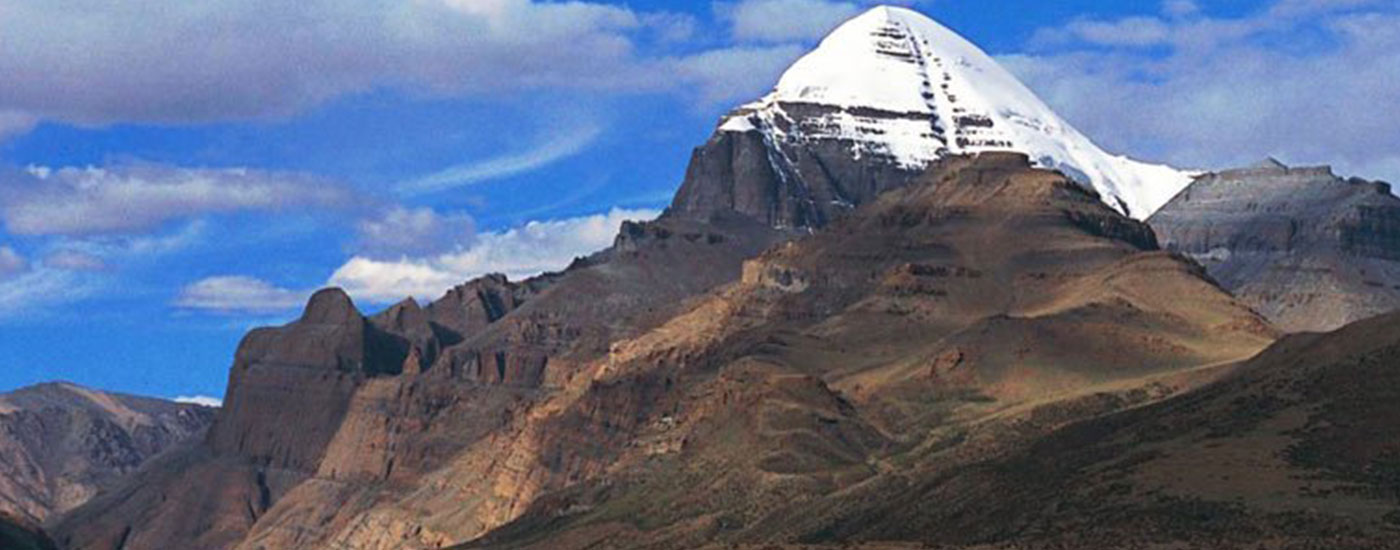
Mount Kailash, standing at approximately 6,714 meters, is one of the most sacred and mysterious mountains in the Himalayas. Also known as Kailasa, Tise, or Kang Rinpoche (Jewel of the Snows), Mount Kailash holds profound spiritual significance for Hindus, Buddhists, Jains, and followers of the Bon tradition.
A Mount Kailash Tour is more than a journey through the remote landscapes of Tibet. For pilgrims and travelers, it is a deeply spiritual experience combining sacred traditions, dramatic Himalayan scenery, high-altitude landscapes, and the legendary beauty of Lake Mansarovar.
The Spiritual Significance of Mount Kailash
Mount Kailash is traditionally regarded as a sacred center of the universe by several major religions. Hindus associate the mountain with Lord Shiva, while Tibetan Buddhists consider it a sacred abode connected with important Buddhist traditions. Jain and Bon traditions also attach deep religious importance to the mountain.
The region surrounding Mount Kailash and Lake Mansarovar is also associated with the origins of several major Asian rivers, including the Indus, Brahmaputra, Sutlej, and the Ganges system. This combination of religious significance and remarkable natural scenery makes the Kailash Mansarovar region one of the most extraordinary pilgrimage destinations in Asia.
Mount Kailash and Tibetan Buddhist Tradition
For Tibetans, Mount Kailash is closely associated with Milarepa, the renowned Tibetan poet and yogi who is traditionally believed to have spent years meditating in the region.
The mountain is also associated with Demchog (Chakrasamvara) in Tibetan Buddhist tradition. These spiritual connections have helped make Mount Kailash an important destination for pilgrims and spiritual seekers from around the world.
The Roof of the World
The Tibet Autonomous Region is often described as the “Roof of the World” because of its vast high-altitude plateau and spectacular Himalayan landscapes. With much of the region situated at elevations of around 4,000 meters or higher, traveling through Tibet offers a unique experience of rugged mountains, expansive valleys, ancient monasteries, and remote settlements.
Mount Kailash lies in this extraordinary landscape, surrounded by some of the world’s most dramatic high-altitude scenery. Its remote location and spiritual importance have attracted pilgrims and explorers for centuries.
Mount Kailash and Lake Mansarovar Tour
A Kailash Mansarovar Tour commonly combines a visit to sacred Lake Mansarovar with the Mount Kailash pilgrimage. Lake Mansarovar is regarded as one of the most sacred lakes in the Himalayan region and is an important spiritual destination for Hindu, Buddhist, Jain, and Bon pilgrims.
For many travelers, reaching Lake Mansarovar and viewing the majestic Mount Kailash is the highlight of their journey through Tibet.
Mount Kailash Yatra from Nepal
Nepal is one of the important gateways for travelers undertaking a Mount Kailash Yatra. A typical journey involves traveling through high-altitude Himalayan landscapes before entering the Tibet Autonomous Region and continuing toward the sacred Mount Kailash and Lake Mansarovar region.
A Kailash Yatra from Nepal requires careful preparation because of the remote terrain, high altitude, weather conditions, and border-crossing requirements. Travelers should follow the applicable travel permits, immigration procedures, health recommendations, and local regulations.
Experience the Sacred Himalayas
A Mount Kailash Tour offers a unique combination of spirituality, adventure, culture, and natural beauty. From the high Tibetan plateau and ancient religious traditions to the sacred waters of Lake Mansarovar and the majestic presence of Mount Kailash, the journey provides an unforgettable Himalayan experience.
For pilgrims and travelers seeking a meaningful journey through the Himalayas, the Mount Kailash Mansarovar Tour is an opportunity to experience one of the world’s most revered spiritual landscapes.
Trip Highlights
LHASA
Tibet ‘s capital Lhasa (elevation 3,700 m) is a cultural city with a history going back 1,300 years. The magnificent Potala Palace , former seat of the Dalai Lamas, presides over the city. Built in 1645 on the top of a hill, the palace contains 1,000 rooms, 10,000 shrines and 200,000 religious statues. The old city revolves around the Jokhang Temple and the quaint Barkhor market that surrounds it. The Jhokhang, built in the seventh century, is the holiest Buddhist shrine in Tibet . Its mural paintings, finely worked golden roofs and other works of art are something to see. At a little distance from the old city core, Lhasa is also a modern capital of concrete high-rises, fancy department stores and wide boulevards.
Norbulingka consists of wooded greenery and three palaces once used by the Dalai Lamas as a summer retreat.
Itinerary
Day 1
Arrival to Kathmandu afternoon Darshan of Pashupatinath and evening briefing of program overnight at Hotel.
Day 2
Yatra Preparation and afternoon fly to Nepalgunj, overnight at Hotel.
Day 3
Morning fly to Simikot (3000m) by fixed wing, Fly to Hilsa (3700m) by Helicopter then cross the boarder drive to purang (3800m) overnight at Hotel.
Day 4
Purang full day acclimatization.
Day 5
Drive to Lake Manasarovar (4500m.), Start Parikrama of Mansarovar- 105km and Holy Bath, Puja etc.
Day 6
After Lunch we drive to Darchen.
Day 7
Drive to Yam Dwar and Trek to Diraphuk.
Day 8
Trek Dolma la Pass (5650m.) and over night at Zuthulphuk.
Day 9
Trek 2hrs and Drive to Hilsa via Purang and fly to simikot by helicopter overnight at hotel
Day 10
Fly to Nepalgunj – Kathmandu.
Day 11
Drive to Airport and fly back to Home.
What's Included
- 2 nights accomodation in 5* Hotel on twin sharing basis in Kathmandu
- Vegetarian meals (breakfast, lunch & dinner) in Hotel
- One night accommodation in Nepalgunj and in Simikot with vegetarian meals (twin sharing)
- Pick up & drop transfer in Kathmandu + sightseeing tour
- Necessary transfers in Nepalgunj (very normal vehicle available here)
- Kathmandu – Nepalgunj – Kathmandu air ticket (fixed wing)
- Nepalgunj – Simikot – Nepalgunj air ticket (fixed wing)
- Simikot – Hilsa – Simikot by Helicopter
- Domestic airport taxes
- Tibet group visa and travel/trekking permits
- Guesthouse accommodation in Tibet for the entire journey
- All vegetarian meals in Tibet (breakfast, lunch & dinner)
- Transportation in Tibet in 4WD Land Cruiser (4 passengers in one Land Cruiser)
- Manasarovar Parikrama by Jeep
- English speaking Tibetan guide
- Necessary supporting crew (Cook, Sherpas, tour Manager from Nepal)
- All necessary camping equipments for Parikrama
- Yaks & Yak men during the Parikrama (circumambulation) around Mt. Kailash
- Gamow bag (pressure bag) and oxygen for emergency use
- Medical kit bag
- Humla region restricted area permit & royalties
- Porter cost in Hilsa (while going and coming back)
- All applicable taxes & service charges
What's Excluded
- Riding Horse and porter during the Parikrama for personal use
- visit to Khojarnath temple on the rest day in Taklakot
- Your travel insurance
- Visit of Asthapad
- Rescue and evacuation service
- Personal expenses
- Bottled drinks
- Tip for guide & driver
- Hotel in Nepalgunj for day use while returning
- Any additional cost due to changes of itinerary on your own wish
- Any additional cost due to natural calamity and unforeseen circumstances
- Services other than specified
Price From $N/A Per Person