
Popular Destination in Nepal
Nepal is a land of remarkable diversity, offering ancient cities, sacred pilgrimage sites, breathtaking Himalayan scenery, peaceful lakes, and rich wildlife. From the historic streets of Kathmandu to the tranquil lakes of Pokhara, the spiritual birthplace of Lord Buddha in Lumbini, and the wilderness of Chitwan National Park, every destination offers a unique and unforgettable travel experience.
Whether you are interested in cultural sightseeing, historical monuments, spiritual journeys, nature excursions, or wildlife safaris, Nepal welcomes you with extraordinary landscapes, living traditions, and warm hospitality.
Kathmandu – The Cultural Heart of Nepal
Kathmandu, the capital city of Nepal, is a fascinating blend of ancient traditions and modern life. Known for its magnificent temples, historic palaces, bustling traditional markets, and vibrant festivals, Kathmandu offers an unforgettable introduction to Nepalese culture and heritage.
The Kathmandu Valley is home to seven UNESCO World Heritage property monument zones, including Kathmandu Durbar Square, Patan Durbar Square, Bhaktapur Durbar Square, Pashupatinath Temple, Boudhanath Stupa, Swayambhunath Stupa, and Changu Narayan Temple. These remarkable landmarks showcase centuries of Nepalese art, architecture, religious devotion, and craftsmanship.
Wander through narrow alleyways lined with intricately carved wooden windows, discover peaceful courtyards hidden behind ancient palaces, and experience colorful festivals that bring the city to life throughout the year. From the sacred residence of the Living Goddess Kumari to traditional shrines and lively bazaars, Kathmandu offers a captivating journey into Nepal’s living heritage.
Kathmandu Valley – A Treasure of Culture and Heritage
Surrounded by green hills and distant Himalayan peaks, the Kathmandu Valley is one of Nepal’s most rewarding destinations for cultural sightseeing. Its three historic cities—Kathmandu, Patan, and Bhaktapur—are renowned for their ancient temples, royal squares, traditional Newari architecture, and vibrant local traditions.
The valley flourished under the Licchavi and Malla dynasties, leaving behind an extraordinary legacy of stone sculptures, pagoda-style temples, carved wooden monuments, and historic courtyards. Visitors can explore sacred Hindu and Buddhist sites, observe traditional craftsmanship, sample authentic Newari cuisine, and experience festivals that preserve the valley’s centuries-old cultural identity.
A Kathmandu Valley sightseeing tour offers a wonderful opportunity to discover Nepal’s history, spirituality, architecture, and everyday local life in one remarkable region.
Kathmandu Durbar Square
Located in the heart of old Kathmandu at Basantapur, Kathmandu Durbar Square is one of Nepal’s most significant historical and cultural landmarks. Once the royal palace complex of Nepalese monarchs, the square features ancient temples, courtyards, palaces, and beautifully carved wooden structures that reflect the artistic achievements of the Malla and later dynasties.
Important attractions include Hanuman Dhoka Palace, Kumari Ghar, Kasthamandap, Taleju Temple, Jagannath Temple, and the impressive statue of Kala Bhairav. The square remains an important center for traditional festivals, religious ceremonies, and cultural celebrations.
Major Attractions Around Kathmandu Durbar Square
- Taleju Temple: A historic temple dedicated to Goddess Taleju, admired for its traditional architecture.
- Jagannath Temple: Known for its intricate wooden carvings and historic craftsmanship.
- Kala Bhairav: A striking stone image representing a fierce manifestation of Lord Shiva.
- Swet Bhairav: A sacred image associated with the annual Indra Jatra festival.
- Hanuman Dhoka Palace: A historic royal complex featuring courtyards, monuments, and museum collections.
- Kumari Ghar: The traditional residence of the Living Goddess Kumari, famous for its beautifully carved wooden windows.
- Kasthamandap: A historic pavilion traditionally associated with the origin of Kathmandu’s name.
- Ashok Vinayak Temple: A revered shrine dedicated to Lord Ganesha near Kasthamandap.
Machchhendranath Temple: Located at Machchhendra Bahal between Indra Chowk and Asan, the temple of Sweta Machchhendranath is admired for its elegant pagoda-style architecture and religious significance. Dedicated to a deity revered in both Hindu and Buddhist traditions, the temple is an important spiritual landmark in Kathmandu.
Akash Bhairav Temple: Situated in the lively Indra Chowk marketplace, Akash Bhairav Temple is a distinctive three-storey shrine dedicated to Akash Bhairav. During the Indra Jatra festival, the deity’s image is displayed publicly as part of the city’s colorful religious celebrations.
Jaishi Dewal: Jaishi Dewal is a historic Shiva temple known for its traditional architecture and decorative carvings. It is also associated with important chariot processions and religious festivals celebrated throughout Kathmandu.
Indra Chowk: Indra Chowk is one of Kathmandu’s busiest traditional marketplaces, where historic temples, local shops, and everyday city life come together. Visitors can admire Akash Bhairav Temple, browse traditional goods, and experience the lively atmosphere of an authentic Kathmandu bazaar.
Freak Street – Jhochhen Tole: Freak Street, locally known as Jhochhen Tole, became famous during the 1960s and 1970s as a popular destination for international travelers. Today, it remains a historic neighborhood near Kathmandu Durbar Square, offering a glimpse into the city’s changing tourism culture and its colorful past.
Dharahara Tower
Dharahara, also known as Bhimsen Stambha, is one of Kathmandu’s best-known landmarks. Originally built in the nineteenth century and reconstructed following the 2015 earthquake, the tower symbolizes the city’s resilience and renewal. Visitors should check current access arrangements before planning a visit.
Asan Market
Asan is one of Kathmandu’s most vibrant traditional market squares, known for its historic temples, narrow streets, and bustling shops. The area is especially popular for spices, fresh produce, household goods, traditional ingredients, and everyday local commerce. Walking through Asan offers a wonderful opportunity to experience Kathmandu’s authentic urban culture and heritage
Tundikhel
Tundikhel is a large open green space in central Kathmandu, offering a refreshing contrast to the surrounding historic city. Several important landmarks lie nearby, including Dharahara Tower, the historic Sundhara water spouts, and other cultural monuments. Its central location makes Tundikhel an interesting stop for visitors exploring Kathmandu’s history and urban heritage.
Martyrs’ Memorial (Sahid Gate)
Located between Dharahara and Bhadrakali Temple, Martyrs’ Memorial, also known as Sahid Gate, commemorates Nepal’s national martyrs. The memorial features statues honoring King Tribhuvan and busts of four prominent martyrs who contributed to Nepal’s struggle for democracy. It is an important landmark for understanding the country’s modern history.
Bhadrakali Temple
Situated near the eastern edge of Tundikhel, Bhadrakali Temple is one of Kathmandu’s important Hindu shrines dedicated to Goddess Bhadrakali. Also known as Lumarhi Temple, it is a significant center of Shakta worship where devotees gather to offer prayers and participate in religious ceremonies.
Singha Durbar
Singha Durbar is an impressive palace complex renowned for its grand neoclassical architecture. Originally built as the private residence of Rana Prime Minister Chandra Shumsher Rana, it later became an important center of Nepal’s government administration. Although access to the complex is restricted, its architectural grandeur and historical significance make it a notable Kathmandu landmark.
Kaiser Library
Located within the Kaiser Mahal complex in Kathmandu, Kaiser Library is known for its valuable collection of rare books, manuscripts, historical documents, and literary works. It is an important resource for researchers, students, and visitors interested in Nepal’s literary and cultural heritage. Visitors should check current opening hours and access arrangements before planning a visit.
Narayanhiti Palace Museum
Narayanhiti Palace, once the royal residence of Nepal’s monarchs, now serves as the Narayanhiti Palace Museum. The historic complex offers visitors a glimpse into Nepal’s former royal lifestyle, with preserved palace rooms, ceremonial halls, and royal artifacts. The Narayanhiti water spout, from which the palace takes its name, is another notable historical feature.
Thamel
Thamel is Kathmandu’s most famous tourist neighborhood and a favorite destination for international travelers. Located within walking distance of central Kathmandu, this lively area is filled with hotels, guesthouses, restaurants, cafés, bars, souvenir shops, trekking agencies, and travel services.
Whether you are preparing for a Himalayan trek, shopping for traditional handicrafts, enjoying international cuisine, or experiencing Kathmandu’s vibrant nightlife, Thamel offers a lively introduction to Nepal’s tourism scene.
Balaju Water Garden
Located northwest of central Kathmandu, Balaju Water Garden is a peaceful recreational area known for its historic stone water spouts, ponds, and landscaped surroundings. The garden’s famous line of 22 stone spouts, traditionally associated with the eighteenth century, features beautifully carved crocodile-head outlets. It is a pleasant place to relax and enjoy a quieter side of the Kathmandu Valley.
Budhanilkantha Temple
Budhanilkantha Temple, situated north of Kathmandu at the foot of Shivapuri Hill, is one of Nepal’s most remarkable Hindu pilgrimage sites. The temple is famous for its enormous stone statue of Lord Vishnu reclining on the coils of the cosmic serpent Shesha in a sacred pond.
Believed to date to the Licchavi period, the statue attracts devotees and visitors throughout the year, especially during religious occasions such as Haribodhini Ekadashi. Budhanilkantha offers a memorable combination of spiritual significance, ancient artistry, and a peaceful natural setting.
Swayambhunath Stupa
Swayambhunath Stupa, popularly known as the Monkey Temple, is one of Kathmandu’s most iconic Buddhist landmarks. Perched on a hill overlooking the valley, this ancient sacred complex is associated with centuries of Buddhist tradition and is revered by both Buddhists and Hindus.
The hilltop offers spectacular panoramic views of Kathmandu, while the white dome, golden spire, colorful prayer flags, shrines, and traditional monasteries create a distinctive spiritual atmosphere. The complex also features a magnificent Vajra, images of Buddha, and the Harati Temple, dedicated to the goddess traditionally associated with the protection of children.
Visitors can climb the famous stone staircase or approach the hilltop by road. Swayambhunath is an excellent destination for cultural sightseeing, photography, spiritual exploration, and experiencing Nepal’s remarkable religious harmony.
National Museum of Nepal
Located in Chhauni, west of central Kathmandu, the National Museum of Nepal offers a fascinating journey through the country’s history, art, and cultural heritage. Its collections include historical weapons, archaeological discoveries, sculptures, traditional objects, and artifacts representing different periods of Nepalese history.
The museum is an excellent destination for travelers who wish to understand Nepal’s historical development and artistic traditions beyond the famous temples and palaces of the Kathmandu Valley.
Natural History Museum
Situated near Swayambhunath Hill in Kathmandu, the Natural History Museum showcases Nepal’s rich biodiversity through collections of animals, birds, insects, plants, fossils, and other natural specimens. It provides an educational introduction to the country’s diverse ecosystems, from the subtropical lowlands to the Himalayan mountains.
For nature enthusiasts, families, and students, the museum offers an interesting opportunity to learn more about Nepal’s wildlife and natural environment.Pashupatinath Temple – Nepal’s Most Sacred Hindu Shrine
Pashupatinath Temple
Pashupatinath Temple is one of the most revered Hindu pilgrimage destinations in Nepal and an important spiritual center for devotees of Lord Shiva from around the world. Situated on the sacred banks of the Bagmati River in Kathmandu, this UNESCO World Heritage Site is renowned for its pagoda-style architecture, golden roof, silver-plated doors, and intricate wood carvings.
Dedicated to Lord Shiva in his form as Pashupati, the Lord of All Living Beings, the temple holds deep religious and cultural significance. The main shrine houses a sacred stone Shiva Lingam with four faces, symbolizing different aspects of the divine. The surrounding complex features numerous smaller temples, shrines, statues, and traditional Hindu religious structures.
Visitors can explore the temple surroundings, observe centuries-old rituals from designated viewing areas, and experience the peaceful yet deeply spiritual atmosphere along the Bagmati River. The nearby Arya Ghat is an important traditional Hindu cremation site, where visitors can respectfully observe funeral customs from permitted public areas.
Only Hindus are permitted to enter the main temple courtyard, while visitors of other faiths can admire the magnificent temple complex and its surroundings from designated areas across the river.
Major Attractions Around Pashupatinath Temple
- Guhyeshwari Temple: An important Hindu pilgrimage site dedicated to Goddess Guhyeshwari, associated with Shakti worship and located near Pashupatinath.
- Gorakhnath Temple: A sacred shrine associated with Guru Gorakhnath and the Nath tradition.
- Arya Ghat: A historic riverside cremation area along the Bagmati River, significant in Hindu funeral traditions.
- Pancha Dewal: A group of traditional religious structures within the wider Pashupatinath area.
- Bhandarkhal and other historic shrines: Additional monuments and sacred sites that contribute to the complex’s rich religious heritage.
A visit to Pashupatinath Temple offers a meaningful opportunity to discover Nepal’s Hindu traditions, sacred architecture, and spiritual heritage.
Guhyeshwari Temple – A Sacred Center of Shakti Worship
Located near Pashupatinath Temple, Guhyeshwari Temple is one of Kathmandu’s most significant Hindu shrines dedicated to Goddess Shakti. The temple holds an important place in Nepal’s religious traditions and attracts devotees seeking blessings and spiritual fulfillment.
Its historic setting, traditional architecture, and close connection with the sacred Pashupatinath area make it an important stop on a Kathmandu pilgrimage tour. Visitors should respect local customs and check entry rules before visiting.
Chabahil Stupa – An Ancient Buddhist Heritage Site
Chabahil Stupa is a historic Buddhist monument in Kathmandu, traditionally associated with Charumati, the daughter of Emperor Ashoka. The stupa is surrounded by ancient sculptures, shrines, and religious monuments that reflect the valley’s longstanding Buddhist heritage.
Its peaceful atmosphere and historical significance make Chabahil an interesting destination for travelers exploring Kathmandu’s lesser-known cultural landmarks.
Chandra Vinayak Temple – A Revered Shrine of Lord Ganesha
Situated near Chabahil Stupa, Chandra Vinayak Temple is a traditional Hindu shrine dedicated to Lord Ganesha, the elephant-headed deity associated with wisdom, prosperity, and the removal of obstacles. The temple’s distinctive two-tiered roof and intimate setting make it a popular place of worship for local devotees.
Visitors can combine Chandra Vinayak Temple with nearby Buddhist monuments for a rewarding cultural sightseeing experience.
Boudhanath Stupa – The Heart of Tibetan Buddhism in Nepal
Boudhanath Stupa is one of the largest and most important Buddhist stupas in Nepal and a major center of Tibetan Buddhist culture. Recognized as a UNESCO World Heritage Site, this magnificent white-domed monument is surrounded by monasteries, prayer wheels, traditional shops, cafés, and Tibetan cultural centers.
The stupa’s distinctive mandala design, golden spire, and the all-seeing eyes of Buddha create a powerful symbol of wisdom, awareness, and compassion. Tibetan Buddhist communities have played a major role in preserving the spiritual traditions and vibrant cultural atmosphere of the surrounding neighborhood.
Early morning and evening are particularly rewarding times to visit, when pilgrims walk clockwise around the stupa in a devotional practice known as kora, spinning prayer wheels and reciting prayers. The peaceful rhythm of these rituals offers visitors a memorable glimpse into Buddhist spirituality.
A Boudhanath sightseeing tour is ideal for travelers interested in Buddhism, meditation, Tibetan culture, photography, and Nepal’s rich religious heritage.
Gokarna – Nature, Heritage, and Spirituality
Located northeast of Kathmandu, Gokarna is known for its green surroundings, historic Gokarneshwor Mahadev Temple, and connections with traditional Hindu pilgrimage practices. The area has long been associated with religious observances, particularly those honoring ancestors.
Gokarna is also known for its former royal hunting grounds and surrounding woodland. Today, visitors can enjoy a combination of cultural exploration and peaceful natural scenery, depending on the areas accessible to the public.
Sankhu – A Traditional Newari Town
Sankhu is a historic Newari settlement northeast of Kathmandu, celebrated for its traditional houses, ancient temples, narrow lanes, and distinctive cultural heritage. Walking through the town offers an opportunity to experience the traditional architecture and everyday lifestyle of the Kathmandu Valley’s Newar community.
Nearby, Vajrayogini Temple is an important historic shrine reached by a stone staircase through a wooded hillside. Its sacred setting and views of the surrounding landscape make Sankhu a rewarding destination for cultural sightseeing and a short excursion from Kathmandu.
Sundarijal – Waterfalls and Scenic Nature Walks
Sundarijal is a beautiful natural destination on the northeastern edge of the Kathmandu Valley, famous for its waterfalls, flowing streams, rocky landscapes, and lush green surroundings. Located near Shivapuri Nagarjun National Park, it is a popular starting point for nature walks and hiking excursions.
Visitors can enjoy fresh mountain air, scenic trails, cascading water, and peaceful picnic spots. Sundarijal is an excellent choice for travelers looking to combine Kathmandu sightseeing with a refreshing outdoor escape.
Kirtipur – Historic Newari Culture and Heritage
Kirtipur is a historic hilltop town southwest of central Kathmandu, known for its traditional Newari architecture, ancient temples, narrow streets, and rich cultural traditions. Its elevated location offers attractive views of the Kathmandu Valley, while its old neighborhoods preserve the character of a traditional Newari settlement.
Visitors can explore Bagh Bhairab Temple, Uma Maheshwar Temple, traditional houses, and local markets. The town is also known for its distinctive Newari cuisine and traditional craftsmanship, making it a rewarding destination for travelers interested in authentic local culture.
Chobhar Gorge – Nature and Ancient Legends
Located southwest of Kathmandu, Chobhar is famous for its dramatic gorge and its association with the ancient legend of how the Kathmandu Valley became habitable. According to local tradition, the Bodhisattva Manjushri cut through the surrounding hills to drain the lake that once covered the valley.
The area features Chobhar Gorge, Adinath Temple, traditional settlements, and scenic viewpoints. Visitors can enjoy panoramic views of the surrounding hills and, on clear days, distant Himalayan peaks. Chobhar is a pleasant excursion for travelers interested in local legends, nature, and cultural heritage.
Shesha Narayan Temple – A Peaceful Sacred Retreat
Shesha Narayan Temple, located near Pharping and the Chobhar–Dakshinkali region, is one of the traditional Narayan shrines of the Kathmandu Valley. Dedicated to Lord Vishnu, the temple is set amid a peaceful natural environment and offers a quiet atmosphere for prayer and reflection.
The shrine is an appealing stop for visitors exploring the southern Kathmandu Valley, particularly those interested in Hindu temples, local traditions, and scenic countryside.
Dakshinkali Temple – A Major Hindu Pilgrimage Destination
Dakshinkali Temple is one of Nepal’s most important Hindu shrines dedicated to Goddess Kali. Located south of Kathmandu amid green hills and forested surroundings, the temple attracts large numbers of devotees, particularly during Tuesdays, Saturdays, and major religious festivals. The temple is an important center of Shakti worship, where traditional offerings and rituals are performed according to Hindu customs. Visitors can experience the area’s religious atmosphere while enjoying the surrounding natural scenery. A trip to Dakshinkali can be combined with visits to Pharping’s monasteries, caves, and other cultural sites, making it a rewarding day excursion from Kathmandu.
Patan (Lalitpur) – The City of Fine Arts
Patan, also known as Lalitpur, is one of the oldest and most beautiful historic cities in the Kathmandu Valley, renowned for its exquisite arts, traditional Newari architecture, and rich cultural heritage. Located southeast of Kathmandu, Patan is a fascinating destination where Hindu temples, Buddhist stupas, ancient palaces, and traditional courtyards reflect centuries of artistic excellence and religious harmony.
At the heart of the city lies the magnificent Patan Durbar Square, a UNESCO World Heritage Site celebrated for its intricately carved wooden windows, stone sculptures, golden decorations, and elegant pagoda-style temples. The historic palace complex, traditional squares, and surrounding streets offer visitors a wonderful opportunity to discover Nepal’s medieval history and the exceptional craftsmanship of Newari artisans.
From the magnificent Krishna Mandir and the Golden Temple to ancient Buddhist monasteries and lively traditional markets, Patan is a must-visit destination for travelers interested in Nepalese culture, history, architecture, and art.
Patan Durbar Square – A Masterpiece of Newari Architecture
Patan Durbar Square is the cultural heart of Lalitpur and one of the finest examples of traditional Nepalese architecture. Once the royal palace complex of the Malla kings of Patan, the square features magnificent temples, historic courtyards, stone sculptures, and intricately carved wooden structures.
The former royal palace contains several courtyards, including Mul Chowk, one of its most important historic sections. The surrounding monuments showcase a remarkable blend of Hindu and Buddhist artistic traditions, reflecting the city’s long history of religious harmony.
Major attractions include Krishna Mandir, Bhimsen Temple, Taleju Temple, Sundari Chowk, the historic royal palace, and the beautifully carved Tusha Hiti stone bath. Visitors can explore the square, admire the golden palace decorations, discover traditional Newari craftsmanship, and experience the timeless atmosphere of one of Nepal’s most remarkable heritage destinations.
Major Attractions in Patan Durbar Square
- Golden Gate and Golden Windows: Beautifully decorated palace features that demonstrate the exceptional metalworking and architectural skills of traditional Newari artisans.
- Tusha Hiti: An ornate sunken stone bath decorated with intricate carvings and remarkable craftsmanship.
- Bhimsen Temple: A prominent temple dedicated to Bhimsen, traditionally associated with trade, business, and prosperity.
- Char Narayan Temple: A historic temple admired for its traditional wooden architecture and intricate carvings.
- Mul Chowk: One of the principal courtyards within the former royal palace complex, rich in historical and architectural significance.
- Manga Hiti: A traditional stone water spout that reflects the historic water-management traditions of the Kathmandu Valley.
Krishna Mandir – A Remarkable Stone Temple: Krishna Mandir is one of the most celebrated monuments in Patan Durbar Square. Built in the seventeenth century by King Siddhi Narasimha Malla, this magnificent stone temple is dedicated to Lord Krishna and is admired for its distinctive Shikhara-style architecture.
The temple is especially famous for its elegant stone construction, intricate carvings, and traditional architectural design. Its multiple tiers of spires and richly decorated structure make it one of the most recognizable landmarks in the Kathmandu Valley.
Krishna Mandir attracts devotees, history enthusiasts, photographers, and travelers who appreciate Nepal’s artistic and religious heritage.
Mahabouddha Temple – The Temple of a Thousand Buddhas: Mahabouddha Temple is a remarkable Buddhist monument in Patan, famous for its intricate terracotta craftsmanship and countless small Buddha images incorporated into its brickwork. Often called the Temple of a Thousand Buddhas, it reflects the extraordinary skill of traditional Nepalese artisans and the influence of Buddhist architectural traditions from India.
Originally built under the patronage of Abhaya Raj, the temple was severely damaged in the 1934 earthquake and subsequently reconstructed. Its detailed brick façade and peaceful courtyard make it an outstanding destination for visitors interested in Buddhist art, architecture, and spirituality.
Hiranya Varna Mahavihar – The Golden Temple: Hiranya Varna Mahavihar, popularly known as the Golden Temple, is one of Patan’s most treasured Buddhist monasteries. Located in Kwabahal, this beautiful shrine is renowned for its golden decorations, traditional pagoda-style architecture, ornate metalwork, and richly decorated courtyard.
Dedicated to Buddhist traditions associated with Lokeshwar, the monastery houses sacred images, prayer wheels, and intricate artistic details that reflect centuries of devotion and craftsmanship. Its peaceful atmosphere provides a wonderful opportunity to appreciate the spiritual and cultural heritage of Patan.
Kumbheshwar Temple – A Historic Shiva Shrine: Kumbheshwar Temple is a magnificent five-tiered pagoda dedicated to Lord Shiva and one of the most important Hindu temples in Patan. Its elegant architecture, traditional courtyard, and sacred water features make it a significant destination for both pilgrims and cultural travelers.
The temple is particularly lively during the Janai Purnima festival, when devotees gather for religious ceremonies and ritual bathing. Kumbheshwar offers a memorable glimpse into Nepal’s traditional Hindu practices and the architectural heritage of the Kathmandu Valley.
Ashokan Stupas – Ancient Buddhist Monuments: Patan is traditionally associated with four ancient Buddhist stupas located at different points around the city. Local tradition connects these monuments with Emperor Ashoka, although their precise origins remain a subject of historical discussion.
These simple yet significant structures reflect the deep roots of Buddhism in the Kathmandu Valley. Exploring the stupas offers visitors a quieter cultural experience away from the main tourist squares and an opportunity to discover Patan’s longstanding Buddhist heritage.
Rudra Varna Mahavihar – A Historic Buddhist Monastery: Rudra Varna Mahavihar is a historic Buddhist monastery in Patan, admired for its collection of religious images, metal sculptures, stone carvings, and traditional wooden artwork. The monastery preserves important aspects of Newar Buddhist culture and craftsmanship.
Its peaceful courtyard and historic artifacts provide visitors with a deeper understanding of the religious traditions and artistic achievements that have shaped Patan over many centuries.
Rato Machhindranath Temple – Home of a Colorful Chariot Festival: Rato Machhindranath Temple is an important religious landmark in Patan, dedicated to Rato Machhindranath, a deity revered by both Hindus and Buddhists. The deity is associated with rain, harvests, and prosperity, making the annual festival especially significant to local communities.
The celebrated Rato Machhindranath Jatra features an impressive wooden chariot procession through the streets of the Kathmandu Valley. The festival is one of the region’s most important cultural celebrations, bringing together traditional music, rituals, community participation, and vibrant local customs.
Visitors who plan their trip around the festival can experience one of Nepal’s most fascinating living cultural traditions.
Minnath Temple – A Traditional Religious Shrine
Minnath Temple is a historic shrine associated with the religious traditions of Patan and the wider Machhindranath festival. Its traditional architecture and location within the old city make it an interesting stop for visitors exploring Patan’s temples and historic neighborhoods.
Acchheswor Mahavihar – Buddhist Heritage and Valley Views
Acchheswor Mahavihar is a historic Buddhist monastery associated with traditional Newar Buddhist culture. Situated near the Pulchowk area, the monastery offers an opportunity to appreciate religious architecture, traditional craftsmanship, and the enduring Buddhist heritage of Lalitpur.
Its elevated surroundings and peaceful setting make it a worthwhile addition to a cultural sightseeing tour.
Jagat Narayan Temple – A Sacred Vishnu Shrine
Jagat Narayan Temple is a historic Hindu temple dedicated to Lord Vishnu, located near the Bagmati River at Sankhamul. Its traditional Shikhara-style architecture and collection of stone and metal images reflect the artistic heritage of the Kathmandu Valley.
The temple is an interesting stop for visitors wishing to explore Patan’s lesser-known religious monuments and experience the diversity of Nepalese temple architecture.
Tibetan Refugee Settlement – Traditional Handicrafts and Carpet Weaving
The Tibetan settlement in the Patan area offers a different cultural experience, introducing visitors to Tibetan traditions, handicrafts, and artisanal skills. Depending on current shop availability, travelers may find handmade carpets, prayer wheels, traditional jewelry, decorative items, and other Tibetan-inspired crafts.
A visit provides an opportunity to appreciate the cultural diversity of the Kathmandu Valley and support local artisans by purchasing traditional handmade products.
Central Zoo – A Family-Friendly Attraction
Located at Jawalakhel, the Central Zoo is a popular attraction for families and nature lovers visiting Lalitpur. The zoo houses a variety of animals, birds, and reptiles, offering an opportunity to learn about wildlife and conservation.
Its green surroundings and pond create a pleasant setting for a relaxing outing, making it a convenient addition to a family sightseeing itinerary in Patan.
Patan Industrial Estate – Nepalese Handicrafts and Traditional Art
Patan Industrial Estate, located in Lalitpur, is known for its production of traditional Nepalese handicrafts and artistic products. Visitors may discover wood carvings, metalwork, carpets, Thangka paintings, and other handcrafted items that showcase the skills of local artisans.
The estate and its handicraft outlets offer an opportunity to learn about Nepal’s traditional arts while shopping for distinctive souvenirs and locally made products.
Bajrabarahi Temple – A Sacred Woodland Retreat
Bajrabarahi Temple is a revered Hindu shrine located in a peaceful woodland setting near Chapagaon, south of Patan. Dedicated to Goddess Barahi, the temple is surrounded by trees and offers a calm atmosphere for prayer, cultural exploration, and relaxation.
Its natural surroundings and religious significance make it an appealing destination for visitors looking to combine heritage sightseeing with a short excursion into the countryside.
Godavari Botanical Garden – A Beautiful Natural Escape
Godavari Botanical Garden, located at the foothills of Phulchowki southeast of Patan, is one of the Kathmandu Valley’s most attractive destinations for nature lovers. Known for its rich plant collections, lush greenery, and peaceful walking paths, the garden provides a refreshing escape from the busy city.
Visitors can enjoy botanical exploration, birdwatching, photography, and relaxing walks surrounded by the natural beauty of the valley. Godavari is especially appealing for families, nature enthusiasts, and travelers seeking a quieter outdoor experience.
Phulchowki Hill – Hiking and Panoramic Views
Phulchowki, rising to approximately 2,760 meters above sea level, is one of the highest hills surrounding the Kathmandu Valley and a popular destination for hiking and nature excursions. Its forested slopes support a rich variety of plants and birdlife, attracting hikers, birdwatchers, and outdoor enthusiasts.
The journey through the wooded landscape offers fresh mountain air, scenic viewpoints, and a welcome break from urban sightseeing. Phulchowki is an excellent option for travelers looking to combine a cultural visit to Patan with a nature adventure.
Bhaktapur (Bhadgaon) – The City of Devotees
Bhaktapur, also known as Bhadgaon or the City of Devotees, is one of the most beautiful historic cities in Nepal, renowned for its ancient temples, magnificent palaces, traditional Newari culture, and exquisite craftsmanship. Located approximately 13–14 km east of Kathmandu at an altitude of around 1,401 metres, this charming medieval city preserves the artistic and cultural heritage of the Malla dynasty.
At the heart of the city lies Bhaktapur Durbar Square, a UNESCO World Heritage Site celebrated for its magnificent architecture, intricate wood carvings, stone sculptures, and historic monuments. The square’s most remarkable attractions include the Golden Gate, the Palace of Fifty-five Windows, the Lion Gate, and the statues of former kings. Every corner reveals a fascinating story of Nepal’s rich history, religious traditions, and artistic excellence.
Bhaktapur is also famous for its traditional pottery, handwoven textiles, wood carving, and the distinctive Bhadgaolen topi (traditional cap). Walking through its narrow brick-paved streets, visitors can experience authentic Newari architecture, vibrant local markets, ancient courtyards, and the warm hospitality of the local people. A visit to Bhaktapur offers a wonderful opportunity to discover Nepal’s living heritage while enjoying a peaceful journey through one of the Kathmandu Valley’s most enchanting destinations.
Bhaktapur Durbar Square: Bhaktapur Durbar Square is the city’s principal historical landmark and one of Nepal’s finest examples of medieval architecture. Once the royal centre of the Malla kings, the square is surrounded by ancient palaces, temples, stone sculptures, and beautifully carved monuments. It is an ideal place to explore Nepalese history, traditional art, and Newari culture.
The Palace of Fifty-five Windows: The Palace of Fifty-five Windows is one of Bhaktapur’s most iconic architectural masterpieces. Developed during the Malla period and completed under King Bhupatindra Malla in the seventeenth century, the palace is renowned for its remarkable wooden balcony featuring fifty-five intricately carved windows. Its elegant brickwork and exquisite craftsmanship reflect the artistic brilliance of medieval Nepal.
The Golden Gate: The Golden Gate is a magnificent entrance to the inner courtyard of the historic royal palace. Commissioned by King Ranjit Malla in the eighteenth century, this richly decorated masterpiece features intricate metalwork depicting deities and mythological figures. Its extraordinary beauty makes it one of the most celebrated examples of traditional Nepalese metal craftsmanship.
Nyatapola Temple: Nyatapola Temple is one of Nepal’s tallest traditional pagoda-style temples and a defining landmark of Bhaktapur. Built in 1702 during the reign of King Bhupatindra Malla, this impressive five-tiered temple is dedicated to Siddhi Lakshmi, a powerful Hindu goddess. Its massive stepped platform, guardian statues, and elegant proportions demonstrate the exceptional architectural skills of Newari artisans.
Bhairavnath Temple: Located near Nyatapola Temple, Bhairavnath Temple is dedicated to Lord Bhairav, a fierce manifestation of Lord Shiva. Originally constructed on a smaller scale, the temple was later expanded into a striking three-storey pagoda. Its traditional architecture and important role in local religious festivals make it a fascinating stop during Bhaktapur sightseeing.
Batsala Devi Temple and the Famous Bell: The stone temple of Batsala Devi is admired for its intricate carvings and elegant Shikhara-style architecture. Nearby stands the famous bronze bell, traditionally known as the Bell of Barking Dogs. Installed during the reign of King Ranjit Malla in 1737, the bell was historically used to announce the daily curfew and remains one of the square’s best-known landmarks.
The National Art Gallery: Located within Bhaktapur Durbar Square, the National Art Gallery houses a collection of traditional Nepalese paintings, manuscripts, and religious artworks representing Hindu and Buddhist artistic traditions. It offers visitors a deeper understanding of Nepal’s historical art, religious symbolism, and cultural heritage. Please check current opening days and hours before visiting.
Dattatraya Temple: Dattatraya Temple is one of Bhaktapur’s most remarkable historic temples, traditionally dated to 1427. Dedicated to the Hindu deity Dattatreya, it is famous for its traditional pagoda architecture and beautifully carved wooden details. Nearby, visitors can admire the celebrated Peacock Window, an outstanding example of Newari wood carving.
Siddha Pokhari: Siddha Pokhari is a large, historic rectangular pond located near Bhaktapur’s main entrance. Dating to the Malla period, this peaceful water reservoir is surrounded by traditional architecture and offers a relaxing setting away from the busy streets. On clear days, visitors may also enjoy distant Himalayan views.
Surya Vinayak Temple: Surya Vinayak Temple is a sacred Hindu shrine dedicated to Lord Ganesha, situated in a peaceful green setting near Bhaktapur. Surrounded by natural scenery, it is a popular destination for devotees, families, and visitors seeking a tranquil spiritual experience.
Thimi – The Town of Pottery and Traditional Crafts
Madhyapur Thimi, located approximately 10 km east of Kathmandu near Bhaktapur, is a charming traditional Newari town renowned for its pottery, colourful traditional masks, and rich cultural heritage. Often regarded as the “Kitchen Garden of Kathmandu,” Thimi is an important agricultural centre that supplies fresh vegetables to the Kathmandu Valley. The town is also famous for its vibrant festivals, traditional handicrafts, and the warm hospitality of its farming communities. The Balkumari Temple, dedicated to Goddess Balkumari, is one of its most important religious landmarks. A visit to Madhyapur Thimi offers travellers a wonderful opportunity to experience authentic Newari traditions, explore local craftsmanship, and discover the timeless cultural beauty of Nepal.
Changu Narayan Temple – An Ancient Heritage Site
Changu Narayan Temple, located on a hilltop in Bhaktapur District, is one of Nepal’s most important historic Hindu temples. Dedicated to Lord Vishnu, the temple is renowned for its ancient stone inscriptions and exceptional stone, wood, and metal craftsmanship. Its origins are traditionally associated with the Licchavi period, and its celebrated sixth-century inscription provides valuable evidence of Nepal’s early history.
The temple’s traditional architecture features beautifully carved wooden struts depicting the incarnations of Lord Vishnu. A life-sized statue of Garuda, Vishnu’s mythical mount, kneels before the temple. Visitors can also enjoy views of the surrounding green fields, the Manohara River, and the distant Himalayan ranges on clear days.
Things to Do During Your Nepal Sightseeing Tour
- Explore UNESCO World Heritage Sites: Discover the historic Durbar Squares of Kathmandu, Patan, and Bhaktapur, along with other remarkable cultural and religious landmarks of the Kathmandu Valley.
- Discover Nepalese Arts and Crafts: Explore traditional wood carvings, metal statues, handmade paper, pottery, pashmina shawls, woollen carpets, and locally crafted souvenirs.
- Experience Local Newari Culture: Wander through traditional neighbourhoods, admire historic courtyards, observe local artisans at work, and experience the city’s unique festivals and customs.
- Shop for Souvenirs in Thamel: Browse shops offering Nepalese handicrafts, traditional garments, singing bowls, thangka paintings, jewellery, and other memorable keepsakes.
- Explore Traditional Thangka Art: Discover the intricate Tibetan Buddhist paintings available in selected art shops around Kathmandu and Boudhanath.
- Taste Authentic Nepalese Cuisine: Enjoy a traditional meal of dal bhat tarkari, a popular Nepalese combination of rice, lentil soup, and seasonal vegetables.
- Enjoy Himalayan Views: On clear days, selected viewpoints around the Kathmandu Valley offer beautiful views of the Himalayan mountains.
- Visit Museums and Cultural Landmarks: Explore Nepal’s museums, historic palaces, and cultural collections to learn more about the country’s art, history, and royal heritage.
Discover the timeless beauty of Bhaktapur with Tirupati Holidays Tours & Travels, your trusted travel companion in Nepal. Our Kathmandu Valley sightseeing tours can be tailored to your interests, whether you wish to explore ancient temples, admire medieval architecture, discover Newari traditions, or visit nearby heritage sites such as Changu Narayan and Madhyapur Thimi.
From the magnificent Bhaktapur Durbar Square to the impressive Nyatapola Temple and the artistic treasures of the Golden Gate, every stop offers a memorable glimpse into Nepal’s living history and cultural heritage.
Join us for an unforgettable Bhaktapur sightseeing tour and experience the authentic charm of Nepal’s City of Devotees.
Pokhara – The City of Lakes and Himalayan Views
Pokhara is one of the most beautiful tourist destinations in Nepal, celebrated for its breathtaking Himalayan views, peaceful lakes, lush green hills, and exciting adventure activities. While Kathmandu is the cultural heart of Nepal, Pokhara is the perfect destination for nature lovers, adventure seekers, and travelers looking for relaxation in the lap of the Himalayas.
Nestled in a picturesque valley, Pokhara offers spectacular views of the Annapurna mountain range, Dhaulagiri, and the iconic Machhapuchhre (Fishtail Mountain). The serene waters of Phewa Lake, charming Lakeside streets, vibrant restaurants, and welcoming atmosphere make Pokhara an ideal destination for couples, families, and international travellers.
Pokhara is also a popular gateway to some of Nepal’s most famous trekking routes, including the Annapurna Circuit, Annapurna Base Camp, and the Jomsom and Ghorepani trekking trails. Visitors can enjoy boating, paragliding, sunrise views, short hikes, mountain flights, and white-water rafting adventures in the surrounding region.
Beyond its natural beauty, Pokhara has a fascinating cultural history shaped by traditional trading routes between India and Tibet. The region is home to diverse communities, including the Gurung, Magar, Thakali, and Newar peoples, whose traditions, cuisine, craftsmanship, and hospitality enrich the local experience.
Whether you are seeking a peaceful lakeside holiday, a memorable Himalayan adventure, or an enriching cultural journey, Pokhara sightseeing tours offer an unforgettable experience in the heart of Nepal.
Best Places to Visit in Pokhara
Phewa Lake:Phewa Lake is one of Pokhara’s most famous attractions and a highlight of every Pokhara sightseeing tour. Surrounded by green hills and the magnificent Annapurna range, the lake offers a peaceful setting for boating, photography, and relaxation.
Visitors can hire a colourful boat to explore the lake, admire the reflections of Machhapuchhre on clear days, or enjoy the lively atmosphere of Lakeside, where hotels, restaurants, cafés, and handicraft shops welcome travellers from around the world.
Tal Barahi Temple:Located on a small island in Phewa Lake, Tal Barahi Temple is one of Pokhara’s most important religious landmarks. Dedicated to Goddess Barahi, an incarnation of the Hindu goddess Shakti, this traditional pagoda-style temple attracts pilgrims and visitors throughout the year.
A short boat ride across Phewa Lake provides a memorable opportunity to visit the temple while enjoying beautiful views of the surrounding hills and mountains.
Spectacular Himalayan Mountain Views:Pokhara is famous for its extraordinary Himalayan panorama, with the Annapurna range, Dhaulagiri, and the distinctive fishtail peak of Machhapuchhre creating an unforgettable natural backdrop.
On clear days, visitors can admire snow-covered mountains from selected viewpoints around the valley. For an even more memorable experience, travellers can enjoy a mountain flight or visit Sarangkot for panoramic views of the Himalayas.
Begnas Lake and Rupa Lake :Located approximately 13 km northeast of central Pokhara, Begnas Lake and Rupa Lake are peaceful freshwater lakes surrounded by green hills, farmland, and traditional villages.
These beautiful lakes offer a quieter alternative to the bustling Lakeside area. Visitors can enjoy boating, lakeside picnics, nature walks, photography, and relaxing moments amid Nepal’s scenic countryside.
Devi’s Fall: Devi’s Fall, locally known as Patale Chhango, is one of Pokhara’s most popular natural attractions. The waterfall is famous for its powerful flow, which disappears into an underground channel through a rocky gorge.
During the monsoon season, the waterfall becomes particularly impressive. Visitors can explore the surrounding area, enjoy the natural scenery, and capture memorable photographs.
Gupteshwor Mahadev Cave: Located near Devi’s Fall, Gupteshwor Mahadev Cave is a sacred limestone cave featuring natural rock formations and a shrine dedicated to Lord Shiva. The cave’s underground passages and spiritual atmosphere make it an interesting stop on a Pokhara sightseeing tour.
Visitors can explore the accessible sections of the cave and, where conditions permit, view the underground waterway associated with Devi’s Fall.
Mahendra Cave: Mahendra Cave is a well-known limestone cave in the northern part of Pokhara, famous for its natural rock formations, underground chambers, and distinctive atmosphere. It offers visitors an opportunity to explore one of the region’s fascinating geological attractions.
A visit to Mahendra Cave can be combined with other nearby attractions for a memorable half-day sightseeing excursion.
World Peace Pagoda: The World Peace Pagoda, also known as Shanti Stupa, stands on a hill overlooking Phewa Lake. This beautiful white Buddhist monument is a symbol of peace and spirituality, offering panoramic views of Pokhara Valley, the lake, and the surrounding Himalayan mountains.
Visitors can reach the pagoda by hiking through forested trails or by travelling via the available road access. It is especially popular among photographers, nature lovers, and travellers seeking peaceful surroundings.
Seti Gandaki Gorge: The Seti Gandaki River flows through Pokhara, carving deep, narrow gorges into the landscape. Its powerful currents and striking geological formations make it one of the city’s most fascinating natural wonders.
Several bridges and viewpoints around Pokhara provide opportunities to observe the river as it passes through the deep gorge.
Pokhara Old Bazaar: Pokhara Old Bazaar offers a glimpse into the city’s traditional trading history and cultural heritage. Its colourful shops, traditional buildings, temples, and local markets reflect the influence of Newari architecture and the region’s historic trade connections.
Visitors can browse local goods, discover traditional handicrafts, sample local snacks, and experience a different side of Pokhara beyond the modern Lakeside district.
Bindhyabasini Temple: Bindhyabasini Temple is one of Pokhara’s most important Hindu shrines, dedicated to Goddess Bhagwati, a manifestation of Goddess Durga. Situated on an elevated site, the temple offers a peaceful religious atmosphere and attractive views of the surrounding area.
The temple is especially lively during religious festivals and on important worship days, when devotees gather to offer prayers and participate in traditional rituals.
Pokhara Museum: Pokhara’s museums provide an opportunity to learn about the history, culture, and ethnic diversity of western Nepal. The International Mountain Museum, in particular, is a major attraction featuring exhibits on Himalayan mountaineering, mountain communities, climbing expeditions, and the natural environment of the world’s highest mountain ranges.
Visitors interested in Nepal’s mountain heritage and the lives of Himalayan communities will find this museum especially rewarding.
Annapurna Natural History Museum: The Annapurna Natural History Museum, associated with the Prithvi Narayan Campus area, showcases the region’s rich biodiversity. Its collections include butterflies, insects, birds, and other specimens that illustrate the natural wealth of the Annapurna region.
It is an interesting destination for nature enthusiasts, students, and travellers who wish to learn more about Nepal’s wildlife and ecosystems. Check current access arrangements before visiting.
Sarangkot – Sunrise and Himalayan Panorama: Sarangkot is one of the most popular viewpoints near Pokhara, famous for its spectacular sunrise over the Himalayas. From this hilltop destination, visitors can enjoy sweeping views of the Annapurna range, Dhaulagiri, Machhapuchhre, Phewa Lake, and Pokhara Valley.
Early in the morning, the first rays of sunlight illuminate the snow-covered peaks, creating a breathtaking sight for photographers and nature lovers. Sarangkot is also a renowned paragliding destination, offering thrilling flights with panoramic views of the lake, mountains, and valley.
Visitors can reach Sarangkot by road or enjoy a scenic hike through traditional villages and forested trails.
Adventure Activities in Pokhara
Pokhara is one of Nepal’s leading destinations for outdoor adventure, offering activities suitable for different interests and experience levels.
- Paragliding: Soar above Phewa Lake and enjoy spectacular views of Pokhara Valley and the Himalayas.
- Boating on Phewa Lake: Enjoy a relaxing boat ride while admiring the surrounding hills and mountain scenery.
- Hiking and short treks: Explore scenic trails around Sarangkot, the World Peace Pagoda, and nearby villages.
- Trekking in the Annapurna region: Begin unforgettable Himalayan journeys to Annapurna Base Camp, Ghorepani, Poon Hill, and other popular destinations.
- White-water rafting: Experience the excitement of Nepal’s rivers through professionally organized rafting trips.
- Mountain flights: Enjoy aerial views of the Himalayan peaks when suitable flights are available.
- Cycling and nature walks: Discover quiet countryside roads, traditional settlements, and beautiful landscapes around the valley.
Places to Explore Around Pokhara
Travelers with extra time can discover several beautiful destinations around Pokhara, including:
- Ghandruk: A picturesque Gurung village known for traditional culture and magnificent Annapurna views.
- Ghorepani and Poon Hill: Popular trekking destinations offering spectacular Himalayan sunrise panoramas.
- Naudanda: A scenic hilltop area known for its countryside views and mountain scenery.
- Kahun Danda: A peaceful viewpoint overlooking Pokhara Valley and the surrounding hills.
- Ghachok: A traditional village destination offering rural scenery and opportunities to experience local life.
These destinations can be explored through day trips, village excursions, hiking programmes, or longer trekking adventures, depending on your travel schedule.
Best Time to Visit Pokhara
Pokhara can be visited throughout the year, but spring (March–May) and autumn (September–November) are generally popular seasons for sightseeing, trekking, and enjoying Himalayan views.
Spring brings pleasant weather and colourful landscapes, while autumn often offers clear skies and excellent mountain visibility. Winter can also be enjoyable for sightseeing, although mornings and evenings may be chilly. During the monsoon season, the valley becomes lush and green, but rainfall may affect mountain views and outdoor activities.
Pokhara Tour Package with Tirupati Holidays Tours & Travels
Discover the natural beauty, cultural charm, and adventurous spirit of Nepal with Tirupati Holidays Tours & Travels, your trusted travel companion in Nepal.
Our customised Pokhara tour packages can include lakeside relaxation, Himalayan sunrise views, cultural sightseeing, boating, adventure activities, and excursions to nearby villages and viewpoints. Whether you are planning a short Pokhara holiday, a Kathmandu–Pokhara tour, a family vacation, a romantic getaway, or a longer Nepal trekking adventure, we can help tailor your itinerary to your interests, travel dates, and budget.
From the peaceful waters of Phewa Lake to the breathtaking sunrise at Sarangkot, Pokhara promises unforgettable memories of Nepal’s spectacular landscapes and warm hospitality.
Explore Pokhara with Tirupati Holidays Tours & Travels and experience the magic of Nepal’s City of Lakes.
Lumbini – The Sacred Birthplace of Lord Buddha
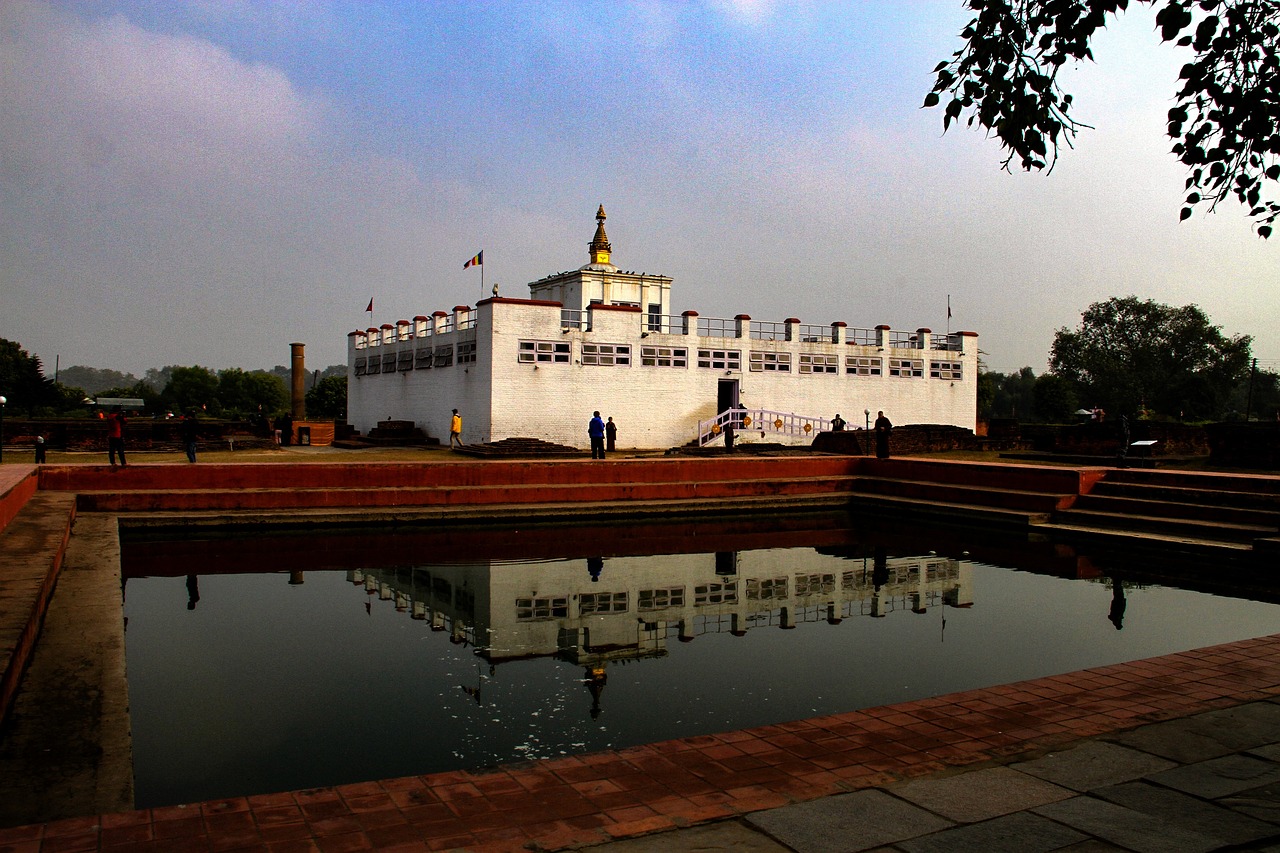
Lumbini, the birthplace of Lord Gautama Buddha, is one of the most sacred Buddhist pilgrimage destinations in the world and a treasured cultural heritage site in southern Nepal. Located in the peaceful Terai plains, Lumbini is the place where Siddhartha Gautama, who later became the Buddha, was born around the sixth century BCE. Today, this UNESCO World Heritage Site attracts pilgrims, spiritual seekers, historians, and travelers from across the globe who come to explore its profound religious significance, ancient monuments, and tranquil surroundings.
The heart of Lumbini is the Maya Devi Temple, which marks the traditional birthplace of Lord Buddha. Within the temple complex, visitors can explore archaeological remains associated with the ancient sacred site. Nearby, the sacred garden, the historic Ashoka Pillar, and the Puskarini Sacred Pond create a peaceful atmosphere for prayer, meditation, and reflection.
The Ashoka Pillar, erected by Emperor Ashoka during his pilgrimage in the third century BCE, bears an inscription identifying Lumbini as the birthplace of Buddha. This important historical monument highlights Lumbini’s enduring significance in Buddhist history. The surrounding archaeological remains, ancient stupas, monasteries, and meditation areas offer fascinating insights into the development of Buddhism and Nepal’s rich spiritual heritage.
Major Attractions in Lumbini
Maya Devi Temple: The Maya Devi Temple is the principal sacred landmark of Lumbini and marks the traditional birthplace of Lord Buddha. Dedicated to Queen Maya Devi, the mother of Siddhartha Gautama, the temple houses important archaeological remains associated with Buddha’s birth. Visitors can explore the sacred marker stone, ancient structural remains, and surrounding peaceful grounds while learning about the origins of Buddhism.
Ashoka Pillar: The Ashoka Pillar is one of Lumbini’s most significant historical monuments. Erected by Emperor Ashoka in approximately 249 BCE, the pillar bears an ancient inscription confirming Lumbini’s association with the birth of Buddha. It remains an important destination for Buddhist pilgrims, historians, and visitors interested in the history of ancient Nepal and the spread of Buddhism.
Puskarini Sacred Pond: Located near the Maya Devi Temple, Puskarini is a sacred pond traditionally associated with Queen Maya Devi and the events surrounding Buddha’s birth. Surrounded by peaceful greenery, the pond adds to the spiritual atmosphere of the sacred garden and provides a quiet place for contemplation.
The Sacred Garden: The Sacred Garden is the spiritual heart of Lumbini, encompassing the Maya Devi Temple, Ashoka Pillar, ancient ruins, and peaceful landscaped surroundings. Shaded pathways and tranquil green spaces make it an ideal place for quiet walks, meditation, and reflection on the teachings of Lord Buddha.
Lumbini Monastic Zone: The Lumbini Monastic Zone features monasteries and meditation centers established by Buddhist communities from different countries. The architecture reflects diverse Buddhist traditions, with beautifully designed temples, prayer halls, gardens, and stupas. Exploring this area offers visitors a unique opportunity to experience the international Buddhist community and its rich cultural diversity.
World Peace Pagoda: The World Peace Pagoda is a striking white Buddhist monument that symbolizes peace, harmony, and compassion. Its peaceful surroundings make it a meaningful stop for visitors wishing to reflect on the universal teachings of Lord Buddha.
Kapilvastu – The Ancient Kingdom of Buddha: The archaeological sites associated with ancient Kapilvastu offer valuable insights into the region where Siddhartha Gautama spent his early life before renouncing royal life in search of enlightenment. Exploring these historic sites provides a deeper understanding of the social, cultural, and historical background of Buddha’s life.
Experience Local Culture in Lumbini
Beyond its religious significance, Lumbini offers a glimpse into the traditional lifestyle and cultural diversity of Nepal’s southern Terai region. Visitors can explore nearby villages, interact with local communities, sample traditional Nepalese cuisine, and discover regional handicrafts and markets.
Local bazaars provide opportunities to observe everyday village life and browse items such as pottery, textiles, jewelry, spices, and handmade souvenirs. These experiences add a cultural dimension to a Lumbini pilgrimage tour and allow travelers to appreciate the warm hospitality of the local people.
How to Reach Lumbini
Lumbini is accessible from major tourist destinations in Nepal by road and air.
- By Air: Fly from Kathmandu to Gautam Buddha International Airport near Bhairahawa, subject to available flight schedules, and continue to Lumbini by road.
- By Road: Tourist buses and private vehicles connect Lumbini with Kathmandu, Pokhara, and other destinations in Nepal.
- By Private Transfer: A private vehicle arranged through a travel company offers a comfortable and flexible option for pilgrims, families, and international visitors.
Accommodation in Lumbini
Lumbini offers a range of accommodation options, including comfortable hotels, guesthouses, and lodges to suit different travel budgets. Visitors can choose a convenient place to stay near the Sacred Garden and major pilgrimage attractions. Booking accommodation in advance is advisable during busy pilgrimage periods and Buddhist festivals.
Lumbini Tour Package with Tirupati Holidays Tours & Travels
Discover the spiritual heart of Nepal with Tirupati Holidays Tours & Travels, your trusted travel companion in Nepal. Our customized Lumbini tour packages offer opportunities to visit the Maya Devi Temple, Ashoka Pillar, Sacred Garden, international monasteries, and other important Buddhist heritage sites.
Whether you are planning a Buddhist pilgrimage, a cultural heritage holiday, a spiritual retreat, or a comprehensive Nepal tour combining Kathmandu, Pokhara, Chitwan, and Lumbini, we can tailor your itinerary to your interests, travel schedule, and budget.
Visit Lumbini, the birthplace of Lord Buddha, and experience a meaningful journey of peace, spirituality, history, and cultural discovery with Tirupati Holidays Tours & Travels.
Chitwan National Park – A Wildlife Safari Adventure in Nepal
Chitwan National Park is one of Nepal’s most celebrated wildlife destinations, offering an unforgettable combination of jungle safaris, rich biodiversity, fascinating local culture, and peaceful natural surroundings. Located in the southern Terai lowlands of Nepal, this UNESCO World Heritage Site is an ideal destination for nature lovers, wildlife enthusiasts, photographers, families, and adventure seekers.
Famous for its lush forests, tall elephant grass, winding rivers, and diverse wildlife, Chitwan National Park provides one of the best opportunities to experience Nepal’s natural beauty up close. The park is home to the endangered one-horned rhinoceros, the majestic Bengal tiger, gharial crocodiles, deer, wild boars, and numerous other animal species. It is also a paradise for birdwatchers, with a remarkable variety of resident and migratory birds inhabiting its wetlands, grasslands, and forests.
Established in 1973 to protect Nepal’s precious wildlife and natural habitats, Chitwan National Park has played a vital role in conserving the country’s rich biodiversity. Its diverse landscapes include riverine forests, tropical grasslands, wetlands, and dense forests that provide shelter and food for many rare and endangered species. The Rapti and Narayani rivers further enrich the park’s ecosystem, creating excellent opportunities for wildlife observation and nature photography.
Things to Do in Chitwan National Park:
A Chitwan jungle safari tour offers a variety of exciting activities that allow visitors to explore the park and its surrounding communities.
- Jeep Safari: Explore designated safari areas and search for one-horned rhinoceroses, deer, wild boars, and other wildlife in their natural habitat. Wildlife sightings vary depending on the season and conditions.
- Canoe Ride: Enjoy a peaceful journey along the Rapti River and observe waterbirds, crocodiles, and beautiful riverside scenery.
- Guided Jungle Walk: Discover the park’s forests, grasslands, plants, and smaller wildlife with an experienced, authorized naturalist.
- Birdwatching: Spot colourful kingfishers, storks, eagles, hornbills, and many other bird species in the park’s diverse habitats.
- Tharu Cultural Experience: Visit a traditional Tharu village to learn about local customs, architecture, cuisine, and rural lifestyles.
- Tharu Cultural Dance: Enjoy traditional Tharu music and dance performances that showcase the cultural heritage of the indigenous communities of the Terai.
- Sunset by the Rapti River: Relax beside the river and enjoy the peaceful atmosphere as the sun sets over the surrounding landscape.
Note: Wildlife activities and access rules depend on current park regulations. Follow your guide’s instructions and observe animals responsibly.
Wildlife and Natural Beauty of Chitwan:
Chitwan National Park is especially famous for its one-horned rhinoceroses, which can sometimes be seen grazing in open grasslands or moving through the forest. The park also provides habitat for Bengal tigers, although spotting them in the wild is uncommon and never guaranteed.
The park’s tall elephant grass provides shelter and feeding grounds for many herbivores, while its rivers and wetlands attract a wide variety of birds and aquatic wildlife. Its rich natural environment makes Chitwan one of the most rewarding destinations for wildlife photography, birdwatching, and nature exploration in Nepal.
How to Reach Chitwan National Park:
Chitwan is easily accessible from Kathmandu and Pokhara by road or air, making it a convenient addition to a Nepal holiday itinerary.
- By Road: Tourist buses, private vehicles, and organised transfers connect Kathmandu and Pokhara with Sauraha and other gateways to the Chitwan region.
- By Air: Travellers can fly from Kathmandu to Bharatpur Airport, followed by a road transfer to their chosen accommodation.
- By Private Transfer: A private vehicle arranged through a travel company offers flexibility and comfort for families, groups, and travellers following a customised itinerary.
Travel time varies according to the route, traffic, road conditions, and season.
Accommodation in Chitwan
Chitwan offers a wide selection of accommodation, ranging from comfortable hotels and family-run lodges to premium jungle resorts. Many properties arrange wildlife activities, guided nature walks, canoe rides, birdwatching excursions, and Tharu cultural programmes as part of their guest experiences.
Whether you prefer a peaceful riverside lodge, a family-friendly hotel, or a luxurious jungle resort, there are options to suit different travel styles and budgets. Booking accommodation in advance is recommended during popular travel seasons.
Tharu Culture and Village Experiences
A visit to Chitwan is not complete without discovering the traditional culture of the Tharu people, one of the indigenous communities of Nepal’s Terai region. A village visit offers insights into traditional homes, agricultural practices, local cuisine, handicrafts, and everyday rural life.
Visitors can also enjoy traditional Tharu songs and dance performances, providing a memorable cultural experience alongside the region’s wildlife and natural attractions.
Best Time to Visit Chitwan National Park
Chitwan can be visited throughout the year, although the experience varies with the seasons.
- October to March: Generally pleasant weather for jungle activities, sightseeing, and cultural experiences.
- March to May: Warmer temperatures and opportunities for wildlife observation, although daytime heat can be intense.
- June to September: The monsoon season brings lush greenery and heavy rainfall, which may affect road access and some outdoor activities.
Always check current park access, weather conditions, and safari availability before travelling.
Chitwan Tour Package with Tirupati Holidays Tours & Travels
Discover the wildlife, culture, and natural beauty of Nepal with Tirupati Holidays Tours & Travels, your trusted travel companion in Nepal. Our customised Chitwan tour packages can combine jungle safaris, guided nature walks, canoe rides, birdwatching, and authentic Tharu cultural experiences.
Whether you are planning a short wildlife holiday, a family vacation, a romantic getaway, or a complete Nepal tour combining Kathmandu, Pokhara, and Chitwan, we can help arrange a memorable itinerary according to your interests, schedule, and budget.
Experience the wild beauty of Nepal with a Chitwan National Park safari and create unforgettable memories with Tirupati Holidays Tours & Travels.
Janakpur – The Sacred City of Goddess Sita in Nepal
Janakpur, also known as the sacred city of Goddess Sita, is one of Nepal’s most important religious, cultural, and historical destinations. Located in the southeastern Terai region, Janakpur is deeply connected with the ancient kingdom of Mithila and the legendary Hindu epic, the Ramayana. According to Hindu tradition, Janakpur is the birthplace of Goddess Sita, the beloved consort of Lord Rama, making it a major pilgrimage destination for Hindu devotees from Nepal, India, and around the world.
In ancient times, Mithila was renowned as a centre of spiritual wisdom, philosophy, and learning under the legendary King Janaka, the father of Goddess Sita. The region was associated with great sages and scholars who contributed to Hindu philosophical traditions, including the ancient Upanishads. Even today, Janakpur preserves its distinctive religious identity, rich cultural traditions, and deep spiritual connection with the story of Lord Rama and Goddess Sita.
Predominantly inhabited by the Maithili community, Janakpur is famous for its unique language, traditional customs, colourful festivals, and beautiful Mithila art, a celebrated folk-art tradition known for its intricate patterns, vibrant colours, and religious themes. Visitors can explore local markets, admire traditional paintings, experience authentic Maithili hospitality, and discover the living cultural heritage of the Mithila region.
Janaki Temple – The Heart of Janakpur
The magnificent Janaki Temple is the most famous landmark in Janakpur and one of Nepal’s most remarkable religious monuments. Dedicated to Goddess Sita, the temple is closely associated with her legendary life and marriage to Lord Rama, the prince of Ayodhya. Its impressive architecture, religious importance, and beautiful surroundings attract thousands of pilgrims and visitors every year.
Often admired for its grand appearance and sometimes compared to India’s Taj Mahal, Janaki Temple features a striking blend of Mughal and Rajput architectural influences. Built primarily with stone and marble, the three-storey structure is decorated with elegant domes, colourful glasswork, intricate carvings, ornamental windows, and beautifully designed turrets. Its impressive courtyards and richly decorated rooms create a peaceful atmosphere for prayer, worship, and cultural exploration.
The temple becomes especially vibrant during Vivah Panchami, Janakpur’s most celebrated annual festival, which commemorates the divine marriage of Lord Rama and Goddess Sita. Usually observed in November or December, the festival features religious ceremonies, devotional singing, colourful processions, and dramatic reenactments of scenes from the Ramayana. Devotees from Nepal and India gather in large numbers to participate in this sacred celebration.
Major Attractions in Janakpur
Janaki Temple: Janaki Temple is the spiritual centre of Janakpur and a must-visit destination for anyone exploring Nepal’s religious heritage. Its magnificent architecture, sacred atmosphere, and association with Goddess Sita make it one of the most important Hindu pilgrimage sites in the country.
Ram Mandir: Ram Mandir is another significant religious landmark in Janakpur, dedicated to Lord Rama. Devotees visit the temple to offer prayers and celebrate important Hindu festivals. Its religious significance makes it a valuable addition to a Janakpur sightseeing tour.
Vivah Mandap: Vivah Mandap, located near Janaki Temple, commemorates the legendary wedding of Lord Rama and Goddess Sita. The temple complex is especially popular during Vivah Panchami, when pilgrims gather to celebrate the divine marriage through traditional rituals and festivities.
Sacred Ponds of Janakpur: Janakpur is famous for its numerous sacred ponds, locally known as pokhari, which hold religious and cultural significance. Gangasagar and Dhanush Sagar are among the best-known ponds, attracting devotees who visit to pray, perform religious rituals, and enjoy the peaceful surroundings.
Mithila Art and Local Culture: Janakpur is an excellent destination for discovering the colourful artistic traditions of the Mithila region. Mithila paintings are renowned for their detailed designs, vibrant colours, and depictions of Hindu deities, nature, festivals, and everyday life. Visitors can explore local art centres and markets to appreciate this distinctive cultural heritage and purchase traditional handicrafts.
Things to Do in Janakpur
- Explore sacred temples: Visit Janaki Temple, Ram Mandir, Vivah Mandap, and other important religious sites.
- Experience Vivah Panchami: Witness one of Nepal’s most significant Hindu festivals celebrating the marriage of Lord Rama and Goddess Sita.
- Discover Mithila art: Explore traditional paintings, handmade crafts, and local artistic traditions.
- Visit sacred ponds: Spend time at Gangasagar, Dhanush Sagar, and other historic water reservoirs.
- Experience Maithili culture: Discover local cuisine, traditional clothing, religious customs, music, and community life.
- Explore local markets: Shop for Mithila paintings, handmade souvenirs, traditional textiles, and regional handicrafts.
How to Reach Janakpur
Janakpur is accessible from Kathmandu and other major destinations in Nepal by air and road.
- By Air: Flights between Kathmandu and Janakpur are available subject to airline schedules, offering a convenient option for travellers.
- By Road: Buses and private vehicles connect Janakpur with Kathmandu and other cities across the Terai region.
- By Private Transfer: A private vehicle arranged through a travel company provides a flexible and comfortable option for families, pilgrims, and groups.
Best Time to Visit Janakpur
Janakpur can be visited throughout the year, but the cooler months from October to March are generally comfortable for sightseeing and pilgrimage tours. November and December are particularly popular because of Vivah Panchami, when the city comes alive with religious ceremonies and colourful celebrations.
Travellers planning to visit during major festivals should consider booking accommodation and transport in advance.
Janakpur Tour Package with Tirupati Holidays Tours & Travels
Discover the spiritual beauty and cultural richness of Nepal with Tirupati Holidays Tours & Travels, your trusted travel companion in Nepal. Our customised Janakpur tour packages provide opportunities to explore the sacred Janaki Temple, visit historic temples and holy ponds, experience traditional Mithila art, and learn about the legendary story of Lord Rama and Goddess Sita.
Whether you are planning a Hindu pilgrimage, a cultural sightseeing holiday, or a broader Nepal tour, we can help create an itinerary tailored to your interests, travel schedule, and budget.
Visit Janakpur, the sacred city of Goddess Sita, and experience the timeless traditions, spiritual heritage, and warm hospitality of Nepal’s Mithila region with Tirupati Holidays Tours & Travels.
Pilgrimage Places in Nepal – Discover Sacred Temples, Holy Lakes, and Spiritual Heritage
Nepal is a beautiful destination for spiritual journeys, religious pilgrimages, and cultural exploration. Blessed with ancient temples, sacred rivers, holy lakes, monasteries, and legendary places of worship, Nepal holds a special place in the hearts of Hindu and Buddhist devotees. Every sacred destination is connected with fascinating legends, deep-rooted traditions, and centuries of spiritual heritage.
The Kathmandu Valley is home to some of Nepal’s most revered religious landmarks, including Pashupatinath Temple, Swayambhunath Stupa, and Boudhanath Stupa, while destinations such as Janakpur, Manakamana, Muktinath, Gosaikunda, Baraha Chhetra, and Swargadwari attract pilgrims from Nepal, India, and around the world. Several important religious and cultural monuments in Nepal are recognized as UNESCO World Heritage Sites.
Nepal is also a gateway for pilgrims travelling toward Mount Kailash and Lake Mansarovar, traditionally regarded as sacred places associated with Lord Shiva. From the fertile plains of the Terai to the magnificent Himalayan mountains, Nepal offers spiritual experiences surrounded by breathtaking natural beauty and diverse local cultures.
Many pilgrimage destinations, including Muktinath and Gosaikunda, are also popular trekking destinations. These journeys allow visitors to combine religious devotion with mountain scenery, traditional villages, local hospitality, and unique cultural experiences.
At Tirupati Holidays Tours & Travels Pvt. Ltd., we help travellers explore Nepal’s sacred destinations through thoughtfully planned pilgrimage tours, cultural sightseeing, and Himalayan journeys. Whether you seek spiritual blessings, ancient heritage, or a peaceful escape into nature, Nepal offers a meaningful journey for every traveller.
Famous Pilgrimage Places in Nepal
Baraha Chhetra – Sacred Shrine of Lord Vishnu
Baraha Chhetra is one of Nepal’s important Hindu pilgrimage destinations, situated at the confluence of the Saptakoshi and Koka rivers in eastern Nepal, near Dharan. According to Hindu mythology, this sacred place is associated with Lord Vishnu’s Boar incarnation, known as Baraha, who defeated the demon Hiranyaksha to protect the world.
The main shrine is dedicated to Lord Baraha, and the surrounding area contains several other temples and religious monuments. Pilgrims visit Baraha Chhetra to offer prayers, perform religious rituals, and seek divine blessings. The site becomes especially lively during important Hindu festivals, including Maghe Sankranti in January.
With its sacred rivers, peaceful surroundings, and rich mythology, Baraha Chhetra offers a rewarding spiritual experience for visitors exploring the religious heritage of eastern Nepal.
Manakamana Temple – The Goddess Who Fulfils Wishes
Manakamana Temple is one of Nepal’s most popular Hindu pilgrimage sites, dedicated to Goddess Bhagwati, a revered manifestation of Goddess Durga. The goddess is traditionally believed to fulfil the sincere wishes of her devotees, making the temple an important destination for prayer and worship.
Located in Gorkha District, approximately 125 kilometres west of Kathmandu by road, Manakamana Temple stands on a hilltop overlooking beautiful green hills and river valleys. Visitors can reach the temple by cable car, enjoying spectacular views of the surrounding landscape along the way.
The temple attracts pilgrims throughout the year, especially during major Hindu festivals. Its combination of religious significance, scenic beauty, and convenient cable-car access makes Manakamana an excellent addition to a Nepal pilgrimage tour.
Janaki Temple– The Sacred City of Goddess Sita
Janakpur, located in the southeastern Terai region of Nepal, is one of the country’s most important religious and cultural destinations. Traditionally associated with the ancient kingdom of Mithila, the city is revered as the birthplace of Goddess Sita, the beloved consort of Lord Rama in the Hindu epic Ramayana.
The magnificent Janaki Temple is the city’s most celebrated landmark. Built in an impressive architectural style featuring domes, arches, intricate decorations, and colourful details, the temple is one of Nepal’s most distinctive religious monuments. Its grand structure, marble features, and beautiful courtyards attract pilgrims, architecture enthusiasts, and cultural travellers.
Other important attractions include Ram Mandir, Vivah Mandap, and sacred ponds such as Gangasagar and Dhanush Sagar. Janakpur is also famous for its vibrant Mithila culture, traditional paintings, distinctive customs, and rich artistic heritage.
One of the best times to visit is during Vivah Panchami, a major annual festival celebrating the divine wedding of Lord Rama and Goddess Sita. The city comes alive with religious ceremonies, processions, devotional music, and cultural celebrations.
A Janakpur pilgrimage tour offers an unforgettable opportunity to explore Hindu mythology, sacred architecture, and the living traditions of Mithila.
Kagbeni – A Sacred Village in Lower Mustang
Kagbeni is a historic village in Mustang District, situated at approximately 2,900 metres above sea level in the beautiful Kali Gandaki Valley. Located about 8 kilometres from Jomsom, it is a popular stop for travellers heading toward Muktinath and the Upper Mustang region.
The village is known for its traditional stone houses, narrow lanes, ancient architecture, and distinctive Himalayan atmosphere. Its historic settlement layout reflects its past as an important trading point on the route connecting Tibet and the Indian subcontinent. Although traditional trade has changed over time, Kagbeni continues to attract visitors through tourism, local culture, and its spiritual importance.
Kagbeni is also associated with Hindu ancestral rites known as Shraddha, performed to honour deceased family members. The confluence of the Kali Gandaki River and Kag Khola is considered sacred by many devotees.
With its religious traditions, fascinating history, and dramatic mountain scenery, Kagbeni is a worthwhile destination for pilgrims and trekkers exploring the Annapurna and Mustang regions.
Muktinath Temple – The Sacred Temple of Liberation
Muktinath Temple is one of Nepal’s most revered pilgrimage destinations, attracting both Hindu and Buddhist devotees. Located in Mustang District at an altitude of approximately 3,800 metres, the sacred shrine lies amid the magnificent Himalayan landscape, with spectacular views of the Annapurna and Dhaulagiri ranges.
The name Muktinath combines mukti, meaning liberation or salvation, with nath, meaning lord. For many Hindu devotees, the temple is a sacred place associated with spiritual freedom and the blessings of Lord Vishnu. Buddhist pilgrims also regard the area as an important spiritual destination.
The main temple is a traditional pagoda-style shrine dedicated to Lord Vishnu. One of its most famous features is the 108 water spouts, known as Muktidhara, beneath which Hindu pilgrims traditionally bathe as part of their religious worship. Nearby, the Jwala Mai Temple is renowned for its naturally occurring sacred flames, associated with religious beliefs and the presence of natural gas.
The surrounding region offers much more than religious sightseeing. Travellers can explore traditional Mustang villages, experience local Himalayan culture, and admire the dramatic landscapes of the Kali Gandaki Valley.
How to reach Muktinath: Visitors can travel from Pokhara to Jomsom by air when flights are operating, continue by road, or undertake a trek through the Kali Gandaki Valley. Helicopter services may also be available depending on weather, operating conditions, and arrangements.
A Muktinath pilgrimage tour combines faith, adventure, culture, and extraordinary mountain scenery, making it one of Nepal’s most memorable spiritual journeys…..more…
Damodar Kund – A Sacred Himalayan Lake
Damodar Kund is a remote and spiritually significant lake in the highlands of Mustang, situated at an altitude of approximately 5,400 metres. Revered in Hindu religious traditions, the lake is associated with the Baraha Purana and holds a special place in the spiritual geography of the Kali Gandaki region.
The Kali Gandaki River is closely connected with the religious importance of Damodar Kund. The river valley is famous for sacred Shaligram stones, which many Hindus worship as representations of Lord Vishnu.
Surrounded by the rugged landscapes of the high Himalayas, Damodar Kund offers a distinctive pilgrimage experience for visitors seeking a remote and less-travelled sacred destination. The journey requires careful preparation because of the high altitude, challenging terrain, limited facilities, and changing mountain weather.
Due to its elevation and remote location, travellers should arrange suitable transport, experienced local support, appropriate equipment, and a well-planned itinerary before undertaking the journey.
Gosaikunda Lake – The Holy Lake of Lord Shiva
Gosaikunda is one of Nepal’s most famous sacred alpine lakes, located at approximately 4,380 metres above sea level in the Langtang region, north of Kathmandu. Surrounded by rugged mountains and dramatic Himalayan landscapes, the lake is an important destination for Hindu pilgrims and trekking enthusiasts.
According to Hindu mythology, Lord Shiva created the lake by striking the mountain with his trident to obtain water and soothe his throat after consuming poison. The lake is therefore deeply associated with Lord Shiva and is considered sacred by devotees.
During the full moon festival of Janai Purnima, usually in August, thousands of pilgrims visit Gosaikunda to perform religious rituals and take holy dips in its cold waters.
The lake is generally reached by trekking from Dhunche, which is accessible by road from Kathmandu. The journey usually takes around two days on foot, depending on the itinerary, weather, and individual walking pace. Basic lodges and seasonal accommodation are available along parts of the route.
Gosaikunda is an excellent choice for travellers seeking a combination of spiritual devotion, Himalayan trekking, pristine alpine scenery, and cultural discovery.
Balmiki Ashram – A Sacred Place Connected with the Ramayana
Balmiki Ashram is a religious site situated in a forested area near the Tribeni region, close to the southwestern boundary of Chitwan National Park. According to the Ramayana tradition, the ashram is associated with the great sage Valmiki and is believed to be the place where Goddess Sita lived with her sons, Lava and Kusha, after separating from Lord Rama.
The area holds special significance for devotees interested in the stories and spiritual traditions of the Ramayana. A temple dedicated to Sita and other religious features contribute to its pilgrimage importance.
Surrounded by forest and natural landscapes, Balmiki Ashram offers a peaceful atmosphere for prayer, reflection, and cultural exploration. Visitors should check local access conditions before travelling, as routes and crossing arrangements may vary.
Devghat – The Sacred River Confluence
Devghat is an important Hindu pilgrimage destination located near Bharatpur in central Nepal. It is revered for its religious significance and its association with the meeting of the Kali Gandaki and Trishuli rivers, which form part of the Narayani river system.
Pilgrims visit Devghat throughout the year to perform religious ceremonies, offer prayers, and take ritual baths in the sacred waters. The destination becomes especially busy during Maghe Sankranti in January, when devotees gather for worship and purification rituals.
Devghat is also known for its temples, ashrams, and spiritual communities, including places where elderly people spend their later years in a peaceful religious environment.
Its riverside setting and accessible location near Bharatpur make Devghat a meaningful stop for travellers exploring Nepal’s religious heritage, Chitwan, and nearby pilgrimage destinations.
Dhanushadham – A Sacred Destination of the Ramayana
Dhanushadham is a historic religious destination located approximately 18 kilometres northeast of Janakpur. According to the Ramayana, this sacred place is connected with the divine bow of Lord Shiva, which Lord Rama broke during the events leading to his marriage to Goddess Sita.
The destination is particularly important to devotees who wish to explore the religious history and mythology associated with Janakpur and the ancient kingdom of Mithila.
Visitors can combine Dhanushadham with Janaki Temple, Ram Mandir, Vivah Mandap, and the sacred ponds of Janakpur for a rewarding pilgrimage itinerary. The journey also provides opportunities to experience the local Maithili language, traditional customs, and distinctive Mithila art.
Ridi – A Historic Pilgrimage Destination
Ridi, situated at the confluence of the Kali Gandaki River and Ridi Khola in western Nepal, is a well-known religious destination with a long history of Hindu worship. The area is famous for the Rikeshwor Narayan Temple and other shrines dedicated to Hindu deities.
Its sacred riverbanks and traditional religious practices attract pilgrims, especially during important festivals such as Maghe Sankranti. Devotees visit to offer prayers, participate in rituals, and take holy dips in the river.
Ridi is connected by road with Tansen, a historic hill town known for its traditional architecture and cultural heritage. Visitors can combine a visit to Ridi with sightseeing in Tansen and the surrounding hills. The peaceful riverside setting and rich spiritual traditions make Ridi an appealing destination for travellers interested in Nepal’s lesser-known pilgrimage sites.
Simraungadh – An Ancient Kingdom of the Terai
Simraungadh, located in the southern Terai region of Nepal, is an important historical and archaeological destination associated with the medieval Kingdom of Tirhut. The settlement flourished as a major political and cultural centre between the 11th and 14th centuries.
Although the ancient city suffered extensive destruction during historical invasions, archaeological remains and cultural traces continue to reflect its former importance. The wider area is associated with historic settlements, religious traditions, and the cultural heritage of the Mithila region.
Visitors interested in Nepal’s ancient kingdoms can explore Simraungadh as part of a broader cultural journey through the Terai. It offers a different perspective on Nepal, extending beyond the Himalayan mountains to the country’s historic plains and ancient civilizations.
Travellers should confirm local transport options and the condition of access roads before planning a visit.
Swargadwari – The Sacred Hilltop Shrine
Swargadwari is a revered Hindu pilgrimage destination in Pyuthan District, western Nepal. Located on a scenic hilltop, the site is associated with Swargadwari Mahaprabhu, a respected spiritual figure known for meditation, religious worship, and the performance of sacred fire rituals.
According to local religious traditions, the site is connected with ancient sages and the Pandavas of the Mahabharata. A sacred fire ritual, or hawan, remains central to the spiritual identity of the pilgrimage destination.
Pilgrims visit Swargadwari to offer prayers, participate in religious ceremonies, and experience the peaceful atmosphere of the surrounding hills. The journey also rewards visitors with beautiful countryside views and opportunities to discover local traditions.
As the shrine is situated in a hilly region, travellers should allow sufficient time for road travel and check current access conditions before departure.
Plan Your Nepal Pilgrimage Tour
Nepal offers a remarkable variety of sacred destinations, from ancient temples and historic pilgrimage towns to high-altitude lakes and remote Himalayan shrines. Whether you wish to visit the birthplace of Goddess Sita in Janakpur, seek blessings at Manakamana Temple, explore the sacred Muktinath shrine, or trek to the holy lake of Gosaikunda, every journey offers a meaningful connection with Nepal’s spiritual and cultural heritage.
With Tirupati Holidays Tours & Travels Pvt. Ltd., you can plan a personalized Nepal pilgrimage tour according to your interests, travel dates, comfort, and budget. Our team can help arrange sightseeing, transportation, accommodation, trekking support, and customized itineraries for individuals, families, and groups.
Discover Nepal’s sacred temples, holy rivers, Himalayan landscapes, and timeless traditions with us.
Tirupati Holidays Tours & Travels Pvt. Ltd. – Your Travel Accompany in Nepal.