Popular Cities and Tourist Destinations in Nepal
Nepal is a land of remarkable diversity, offering ancient cities, sacred pilgrimage sites, breathtaking Himalayan scenery, peaceful lakes, and rich wildlife. From the historic streets of Kathmandu to the tranquil lakes of Pokhara, the spiritual birthplace of Lord Buddha in Lumbini, and the wilderness of Chitwan National Park, every destination offers a unique and unforgettable travel experience.
Whether you are interested in cultural sightseeing, historical monuments, spiritual journeys, nature excursions, or wildlife safaris, Nepal welcomes you with extraordinary landscapes, living traditions, and warm hospitality.
Kathmandu – The Cultural Heart of Nepal
Kathmandu, the capital city of Nepal, is a fascinating blend of ancient traditions and modern life. Known for its magnificent temples, historic palaces, bustling traditional markets, and vibrant festivals, Kathmandu offers an unforgettable introduction to Nepalese culture and heritage.
The Kathmandu Valley is home to seven UNESCO World Heritage property monument zones, including Kathmandu Durbar Square, Patan Durbar Square, Bhaktapur Durbar Square, Pashupatinath Temple, Boudhanath Stupa, Swayambhunath Stupa, and Changu Narayan Temple. These remarkable landmarks showcase centuries of Nepalese art, architecture, religious devotion, and craftsmanship.
Wander through narrow alleyways lined with intricately carved wooden windows, discover peaceful courtyards hidden behind ancient palaces, and experience colorful festivals that bring the city to life throughout the year. From the sacred residence of the Living Goddess Kumari to traditional shrines and lively bazaars, Kathmandu offers a captivating journey into Nepal’s living heritage.
Kathmandu Valley – A Treasure of Culture and Heritage
Surrounded by green hills and distant Himalayan peaks, the Kathmandu Valley is one of Nepal’s most rewarding destinations for cultural sightseeing. Its three historic cities—Kathmandu, Patan, and Bhaktapur—are renowned for their ancient temples, royal squares, traditional Newari architecture, and vibrant local traditions.
The valley flourished under the Licchavi and Malla dynasties, leaving behind an extraordinary legacy of stone sculptures, pagoda-style temples, carved wooden monuments, and historic courtyards. Visitors can explore sacred Hindu and Buddhist sites, observe traditional craftsmanship, sample authentic Newari cuisine, and experience festivals that preserve the valley’s centuries-old cultural identity.
A Kathmandu Valley sightseeing tour offers a wonderful opportunity to discover Nepal’s history, spirituality, architecture, and everyday local life in one remarkable region.
Explore the Historic Attractions of Kathmandu
Kathmandu Durbar Square
Located in the heart of old Kathmandu at Basantapur, Kathmandu Durbar Square is one of Nepal’s most significant historical and cultural landmarks. Once the royal palace complex of Nepalese monarchs, the square features ancient temples, courtyards, palaces, and beautifully carved wooden structures that reflect the artistic achievements of the Malla and later dynasties.
Important attractions include Hanuman Dhoka Palace, Kumari Ghar, Kasthamandap, Taleju Temple, Jagannath Temple, and the impressive statue of Kala Bhairav. The square remains an important center for traditional festivals, religious ceremonies, and cultural celebrations.
Major Attractions Around Kathmandu Durbar Square
- Taleju Temple: A historic temple dedicated to Goddess Taleju, admired for its traditional architecture.
- Jagannath Temple: Known for its intricate wooden carvings and historic craftsmanship.
- Kala Bhairav: A striking stone image representing a fierce manifestation of Lord Shiva.
- Swet Bhairav: A sacred image associated with the annual Indra Jatra festival.
- Hanuman Dhoka Palace: A historic royal complex featuring courtyards, monuments, and museum collections.
- Kumari Ghar: The traditional residence of the Living Goddess Kumari, famous for its beautifully carved wooden windows.
- Kasthamandap: A historic pavilion traditionally associated with the origin of Kathmandu’s name.
- Ashok Vinayak Temple: A revered shrine dedicated to Lord Ganesha near Kasthamandap.
Machchhendranath Temple
Located at Machchhendra Bahal between Indra Chowk and Asan, the temple of Sweta Machchhendranath is admired for its elegant pagoda-style architecture and religious significance. Dedicated to a deity revered in both Hindu and Buddhist traditions, the temple is an important spiritual landmark in Kathmandu.
Akash Bhairav Temple
Situated in the lively Indra Chowk marketplace, Akash Bhairav Temple is a distinctive three-storey shrine dedicated to Akash Bhairav. During the Indra Jatra festival, the deity’s image is displayed publicly as part of the city’s colorful religious celebrations.
Jaishi Dewal
Jaishi Dewal is a historic Shiva temple known for its traditional architecture and decorative carvings. It is also associated with important chariot processions and religious festivals celebrated throughout Kathmandu.
Indra Chowk
Indra Chowk is one of Kathmandu’s busiest traditional marketplaces, where historic temples, local shops, and everyday city life come together. Visitors can admire Akash Bhairav Temple, browse traditional goods, and experience the lively atmosphere of an authentic Kathmandu bazaar.
Freak Street – Jhochhen Tole
Freak Street, locally known as Jhochhen Tole, became famous during the 1960s and 1970s as a popular destination for international travelers. Today, it remains a historic neighborhood near Kathmandu Durbar Square, offering a glimpse into the city’s changing tourism culture and its colorful past.
Dharahara Tower
Dharahara, also known as Bhimsen Stambha, is one of Kathmandu’s best-known landmarks. Originally built in the nineteenth century and reconstructed following the 2015 earthquake, the tower symbolizes the city’s resilience and renewal. Visitors should check current access arrangements before planning a visit.
Asan Market
Asan is one of Kathmandu’s most vibrant traditional market squares, known for its historic temples, narrow streets, and bustling shops. The area is especially popular for spices, fresh produce, household goods, traditional ingredients, and everyday local commerce. Walking through Asan offers a wonderful opportunity to experience Kathmandu’s authentic urban culture and heritage
Tundikhel
Tundikhel is a large open green space in central Kathmandu, offering a refreshing contrast to the surrounding historic city. Several important landmarks lie nearby, including Dharahara Tower, the historic Sundhara water spouts, and other cultural monuments. Its central location makes Tundikhel an interesting stop for visitors exploring Kathmandu’s history and urban heritage.
Martyrs’ Memorial (Sahid Gate)
Located between Dharahara and Bhadrakali Temple, Martyrs’ Memorial, also known as Sahid Gate, commemorates Nepal’s national martyrs. The memorial features statues honoring King Tribhuvan and busts of four prominent martyrs who contributed to Nepal’s struggle for democracy. It is an important landmark for understanding the country’s modern history.
Bhadrakali Temple
Situated near the eastern edge of Tundikhel, Bhadrakali Temple is one of Kathmandu’s important Hindu shrines dedicated to Goddess Bhadrakali. Also known as Lumarhi Temple, it is a significant center of Shakta worship where devotees gather to offer prayers and participate in religious ceremonies.
Singha Durbar
Singha Durbar is an impressive palace complex renowned for its grand neoclassical architecture. Originally built as the private residence of Rana Prime Minister Chandra Shumsher Rana, it later became an important center of Nepal’s government administration. Although access to the complex is restricted, its architectural grandeur and historical significance make it a notable Kathmandu landmark.
Kaiser Library
Located within the Kaiser Mahal complex in Kathmandu, Kaiser Library is known for its valuable collection of rare books, manuscripts, historical documents, and literary works. It is an important resource for researchers, students, and visitors interested in Nepal’s literary and cultural heritage. Visitors should check current opening hours and access arrangements before planning a visit.
Narayanhiti Palace Museum
Narayanhiti Palace, once the royal residence of Nepal’s monarchs, now serves as the Narayanhiti Palace Museum. The historic complex offers visitors a glimpse into Nepal’s former royal lifestyle, with preserved palace rooms, ceremonial halls, and royal artifacts. The Narayanhiti water spout, from which the palace takes its name, is another notable historical feature.
Thamel
Thamel is Kathmandu’s most famous tourist neighborhood and a favorite destination for international travelers. Located within walking distance of central Kathmandu, this lively area is filled with hotels, guesthouses, restaurants, cafés, bars, souvenir shops, trekking agencies, and travel services.
Whether you are preparing for a Himalayan trek, shopping for traditional handicrafts, enjoying international cuisine, or experiencing Kathmandu’s vibrant nightlife, Thamel offers a lively introduction to Nepal’s tourism scene.
Balaju Water Garden
Located northwest of central Kathmandu, Balaju Water Garden is a peaceful recreational area known for its historic stone water spouts, ponds, and landscaped surroundings. The garden’s famous line of 22 stone spouts, traditionally associated with the eighteenth century, features beautifully carved crocodile-head outlets. It is a pleasant place to relax and enjoy a quieter side of the Kathmandu Valley.
Budhanilkantha Temple
Budhanilkantha Temple, situated north of Kathmandu at the foot of Shivapuri Hill, is one of Nepal’s most remarkable Hindu pilgrimage sites. The temple is famous for its enormous stone statue of Lord Vishnu reclining on the coils of the cosmic serpent Shesha in a sacred pond.
Believed to date to the Licchavi period, the statue attracts devotees and visitors throughout the year, especially during religious occasions such as Haribodhini Ekadashi. Budhanilkantha offers a memorable combination of spiritual significance, ancient artistry, and a peaceful natural setting.
Swayambhunath Stupa
Swayambhunath Stupa, popularly known as the Monkey Temple, is one of Kathmandu’s most iconic Buddhist landmarks. Perched on a hill overlooking the valley, this ancient sacred complex is associated with centuries of Buddhist tradition and is revered by both Buddhists and Hindus.
The hilltop offers spectacular panoramic views of Kathmandu, while the white dome, golden spire, colorful prayer flags, shrines, and traditional monasteries create a distinctive spiritual atmosphere. The complex also features a magnificent Vajra, images of Buddha, and the Harati Temple, dedicated to the goddess traditionally associated with the protection of children.
Visitors can climb the famous stone staircase or approach the hilltop by road. Swayambhunath is an excellent destination for cultural sightseeing, photography, spiritual exploration, and experiencing Nepal’s remarkable religious harmony.
National Museum of Nepal
Located in Chhauni, west of central Kathmandu, the National Museum of Nepal offers a fascinating journey through the country’s history, art, and cultural heritage. Its collections include historical weapons, archaeological discoveries, sculptures, traditional objects, and artifacts representing different periods of Nepalese history.
The museum is an excellent destination for travelers who wish to understand Nepal’s historical development and artistic traditions beyond the famous temples and palaces of the Kathmandu Valley.
Natural History Museum
Situated near Swayambhunath Hill in Kathmandu, the Natural History Museum showcases Nepal’s rich biodiversity through collections of animals, birds, insects, plants, fossils, and other natural specimens. It provides an educational introduction to the country’s diverse ecosystems, from the subtropical lowlands to the Himalayan mountains.
For nature enthusiasts, families, and students, the museum offers an interesting opportunity to learn more about Nepal’s wildlife and natural environment.Pashupatinath Temple – Nepal’s Most Sacred Hindu Shrine
Pashupatinath Temple
Pashupatinath Temple is one of the most revered Hindu pilgrimage destinations in Nepal and an important spiritual center for devotees of Lord Shiva from around the world. Situated on the sacred banks of the Bagmati River in Kathmandu, this UNESCO World Heritage Site is renowned for its pagoda-style architecture, golden roof, silver-plated doors, and intricate wood carvings.
Dedicated to Lord Shiva in his form as Pashupati, the Lord of All Living Beings, the temple holds deep religious and cultural significance. The main shrine houses a sacred stone Shiva Lingam with four faces, symbolizing different aspects of the divine. The surrounding complex features numerous smaller temples, shrines, statues, and traditional Hindu religious structures.
Visitors can explore the temple surroundings, observe centuries-old rituals from designated viewing areas, and experience the peaceful yet deeply spiritual atmosphere along the Bagmati River. The nearby Arya Ghat is an important traditional Hindu cremation site, where visitors can respectfully observe funeral customs from permitted public areas.
Only Hindus are permitted to enter the main temple courtyard, while visitors of other faiths can admire the magnificent temple complex and its surroundings from designated areas across the river.
Major Attractions Around Pashupatinath Temple
- Guhyeshwari Temple: An important Hindu pilgrimage site dedicated to Goddess Guhyeshwari, associated with Shakti worship and located near Pashupatinath.
- Gorakhnath Temple: A sacred shrine associated with Guru Gorakhnath and the Nath tradition.
- Arya Ghat: A historic riverside cremation area along the Bagmati River, significant in Hindu funeral traditions.
- Pancha Dewal: A group of traditional religious structures within the wider Pashupatinath area.
- Bhandarkhal and other historic shrines: Additional monuments and sacred sites that contribute to the complex’s rich religious heritage.
A visit to Pashupatinath Temple offers a meaningful opportunity to discover Nepal’s Hindu traditions, sacred architecture, and spiritual heritage.
Guhyeshwari Temple – A Sacred Center of Shakti Worship
Located near Pashupatinath Temple, Guhyeshwari Temple is one of Kathmandu’s most significant Hindu shrines dedicated to Goddess Shakti. The temple holds an important place in Nepal’s religious traditions and attracts devotees seeking blessings and spiritual fulfillment.
Its historic setting, traditional architecture, and close connection with the sacred Pashupatinath area make it an important stop on a Kathmandu pilgrimage tour. Visitors should respect local customs and check entry rules before visiting.
Chabahil Stupa – An Ancient Buddhist Heritage Site
Chabahil Stupa is a historic Buddhist monument in Kathmandu, traditionally associated with Charumati, the daughter of Emperor Ashoka. The stupa is surrounded by ancient sculptures, shrines, and religious monuments that reflect the valley’s longstanding Buddhist heritage.
Its peaceful atmosphere and historical significance make Chabahil an interesting destination for travelers exploring Kathmandu’s lesser-known cultural landmarks.
Chandra Vinayak Temple – A Revered Shrine of Lord Ganesha
Situated near Chabahil Stupa, Chandra Vinayak Temple is a traditional Hindu shrine dedicated to Lord Ganesha, the elephant-headed deity associated with wisdom, prosperity, and the removal of obstacles. The temple’s distinctive two-tiered roof and intimate setting make it a popular place of worship for local devotees.
Visitors can combine Chandra Vinayak Temple with nearby Buddhist monuments for a rewarding cultural sightseeing experience.
Boudhanath Stupa – The Heart of Tibetan Buddhism in Nepal
Boudhanath Stupa is one of the largest and most important Buddhist stupas in Nepal and a major center of Tibetan Buddhist culture. Recognized as a UNESCO World Heritage Site, this magnificent white-domed monument is surrounded by monasteries, prayer wheels, traditional shops, cafés, and Tibetan cultural centers.
The stupa’s distinctive mandala design, golden spire, and the all-seeing eyes of Buddha create a powerful symbol of wisdom, awareness, and compassion. Tibetan Buddhist communities have played a major role in preserving the spiritual traditions and vibrant cultural atmosphere of the surrounding neighborhood.
Early morning and evening are particularly rewarding times to visit, when pilgrims walk clockwise around the stupa in a devotional practice known as kora, spinning prayer wheels and reciting prayers. The peaceful rhythm of these rituals offers visitors a memorable glimpse into Buddhist spirituality.
A Boudhanath sightseeing tour is ideal for travelers interested in Buddhism, meditation, Tibetan culture, photography, and Nepal’s rich religious heritage.
Gokarna – Nature, Heritage, and Spirituality
Located northeast of Kathmandu, Gokarna is known for its green surroundings, historic Gokarneshwor Mahadev Temple, and connections with traditional Hindu pilgrimage practices. The area has long been associated with religious observances, particularly those honoring ancestors.
Gokarna is also known for its former royal hunting grounds and surrounding woodland. Today, visitors can enjoy a combination of cultural exploration and peaceful natural scenery, depending on the areas accessible to the public.
Sankhu – A Traditional Newari Town
Sankhu is a historic Newari settlement northeast of Kathmandu, celebrated for its traditional houses, ancient temples, narrow lanes, and distinctive cultural heritage. Walking through the town offers an opportunity to experience the traditional architecture and everyday lifestyle of the Kathmandu Valley’s Newar community.
Nearby, Vajrayogini Temple is an important historic shrine reached by a stone staircase through a wooded hillside. Its sacred setting and views of the surrounding landscape make Sankhu a rewarding destination for cultural sightseeing and a short excursion from Kathmandu.
Sundarijal – Waterfalls and Scenic Nature Walks
Sundarijal is a beautiful natural destination on the northeastern edge of the Kathmandu Valley, famous for its waterfalls, flowing streams, rocky landscapes, and lush green surroundings. Located near Shivapuri Nagarjun National Park, it is a popular starting point for nature walks and hiking excursions.
Visitors can enjoy fresh mountain air, scenic trails, cascading water, and peaceful picnic spots. Sundarijal is an excellent choice for travelers looking to combine Kathmandu sightseeing with a refreshing outdoor escape.
Kirtipur – Historic Newari Culture and Heritage
Kirtipur is a historic hilltop town southwest of central Kathmandu, known for its traditional Newari architecture, ancient temples, narrow streets, and rich cultural traditions. Its elevated location offers attractive views of the Kathmandu Valley, while its old neighborhoods preserve the character of a traditional Newari settlement.
Visitors can explore Bagh Bhairab Temple, Uma Maheshwar Temple, traditional houses, and local markets. The town is also known for its distinctive Newari cuisine and traditional craftsmanship, making it a rewarding destination for travelers interested in authentic local culture.
Chobhar Gorge – Nature and Ancient Legends
Located southwest of Kathmandu, Chobhar is famous for its dramatic gorge and its association with the ancient legend of how the Kathmandu Valley became habitable. According to local tradition, the Bodhisattva Manjushri cut through the surrounding hills to drain the lake that once covered the valley.
The area features Chobhar Gorge, Adinath Temple, traditional settlements, and scenic viewpoints. Visitors can enjoy panoramic views of the surrounding hills and, on clear days, distant Himalayan peaks. Chobhar is a pleasant excursion for travelers interested in local legends, nature, and cultural heritage.
Shesha Narayan Temple – A Peaceful Sacred Retreat
Shesha Narayan Temple, located near Pharping and the Chobhar–Dakshinkali region, is one of the traditional Narayan shrines of the Kathmandu Valley. Dedicated to Lord Vishnu, the temple is set amid a peaceful natural environment and offers a quiet atmosphere for prayer and reflection.
The shrine is an appealing stop for visitors exploring the southern Kathmandu Valley, particularly those interested in Hindu temples, local traditions, and scenic countryside.
Dakshinkali Temple – A Major Hindu Pilgrimage Destination
Dakshinkali Temple is one of Nepal’s most important Hindu shrines dedicated to Goddess Kali. Located south of Kathmandu amid green hills and forested surroundings, the temple attracts large numbers of devotees, particularly during Tuesdays, Saturdays, and major religious festivals. The temple is an important center of Shakti worship, where traditional offerings and rituals are performed according to Hindu customs. Visitors can experience the area’s religious atmosphere while enjoying the surrounding natural scenery. A trip to Dakshinkali can be combined with visits to Pharping’s monasteries, caves, and other cultural sites, making it a rewarding day excursion from Kathmandu.
Patan (Lalitpur) – The City of Fine Arts
Patan, also known as Lalitpur, is one of the oldest and most beautiful historic cities in the Kathmandu Valley, renowned for its exquisite arts, traditional Newari architecture, and rich cultural heritage. Located southeast of Kathmandu, Patan is a fascinating destination where Hindu temples, Buddhist stupas, ancient palaces, and traditional courtyards reflect centuries of artistic excellence and religious harmony.
At the heart of the city lies the magnificent Patan Durbar Square, a UNESCO World Heritage Site celebrated for its intricately carved wooden windows, stone sculptures, golden decorations, and elegant pagoda-style temples. The historic palace complex, traditional squares, and surrounding streets offer visitors a wonderful opportunity to discover Nepal’s medieval history and the exceptional craftsmanship of Newari artisans.
From the magnificent Krishna Mandir and the Golden Temple to ancient Buddhist monasteries and lively traditional markets, Patan is a must-visit destination for travelers interested in Nepalese culture, history, architecture, and art.
Patan Durbar Square – A Masterpiece of Newari Architecture
Patan Durbar Square is the cultural heart of Lalitpur and one of the finest examples of traditional Nepalese architecture. Once the royal palace complex of the Malla kings of Patan, the square features magnificent temples, historic courtyards, stone sculptures, and intricately carved wooden structures.
The former royal palace contains several courtyards, including Mul Chowk, one of its most important historic sections. The surrounding monuments showcase a remarkable blend of Hindu and Buddhist artistic traditions, reflecting the city’s long history of religious harmony.
Major attractions include Krishna Mandir, Bhimsen Temple, Taleju Temple, Sundari Chowk, the historic royal palace, and the beautifully carved Tusha Hiti stone bath. Visitors can explore the square, admire the golden palace decorations, discover traditional Newari craftsmanship, and experience the timeless atmosphere of one of Nepal’s most remarkable heritage destinations.
Major Attractions in Patan Durbar Square
- Golden Gate and Golden Windows: Beautifully decorated palace features that demonstrate the exceptional metalworking and architectural skills of traditional Newari artisans.
- Tusha Hiti: An ornate sunken stone bath decorated with intricate carvings and remarkable craftsmanship.
- Bhimsen Temple: A prominent temple dedicated to Bhimsen, traditionally associated with trade, business, and prosperity.
- Char Narayan Temple: A historic temple admired for its traditional wooden architecture and intricate carvings.
- Mul Chowk: One of the principal courtyards within the former royal palace complex, rich in historical and architectural significance.
- Manga Hiti: A traditional stone water spout that reflects the historic water-management traditions of the Kathmandu Valley.
Krishna Mandir – A Remarkable Stone Temple
Krishna Mandir is one of the most celebrated monuments in Patan Durbar Square. Built in the seventeenth century by King Siddhi Narasimha Malla, this magnificent stone temple is dedicated to Lord Krishna and is admired for its distinctive Shikhara-style architecture.
The temple is especially famous for its elegant stone construction, intricate carvings, and traditional architectural design. Its multiple tiers of spires and richly decorated structure make it one of the most recognizable landmarks in the Kathmandu Valley.
Krishna Mandir attracts devotees, history enthusiasts, photographers, and travelers who appreciate Nepal’s artistic and religious heritage.
Mahabouddha Temple – The Temple of a Thousand Buddhas
Mahabouddha Temple is a remarkable Buddhist monument in Patan, famous for its intricate terracotta craftsmanship and countless small Buddha images incorporated into its brickwork. Often called the Temple of a Thousand Buddhas, it reflects the extraordinary skill of traditional Nepalese artisans and the influence of Buddhist architectural traditions from India.
Originally built under the patronage of Abhaya Raj, the temple was severely damaged in the 1934 earthquake and subsequently reconstructed. Its detailed brick façade and peaceful courtyard make it an outstanding destination for visitors interested in Buddhist art, architecture, and spirituality.
Hiranya Varna Mahavihar – The Golden Temple
Hiranya Varna Mahavihar, popularly known as the Golden Temple, is one of Patan’s most treasured Buddhist monasteries. Located in Kwabahal, this beautiful shrine is renowned for its golden decorations, traditional pagoda-style architecture, ornate metalwork, and richly decorated courtyard.
Dedicated to Buddhist traditions associated with Lokeshwar, the monastery houses sacred images, prayer wheels, and intricate artistic details that reflect centuries of devotion and craftsmanship. Its peaceful atmosphere provides a wonderful opportunity to appreciate the spiritual and cultural heritage of Patan.
Kumbheshwar Temple – A Historic Shiva Shrine
Kumbheshwar Temple is a magnificent five-tiered pagoda dedicated to Lord Shiva and one of the most important Hindu temples in Patan. Its elegant architecture, traditional courtyard, and sacred water features make it a significant destination for both pilgrims and cultural travelers.
The temple is particularly lively during the Janai Purnima festival, when devotees gather for religious ceremonies and ritual bathing. Kumbheshwar offers a memorable glimpse into Nepal’s traditional Hindu practices and the architectural heritage of the Kathmandu Valley.
Ashokan Stupas – Ancient Buddhist Monuments
Patan is traditionally associated with four ancient Buddhist stupas located at different points around the city. Local tradition connects these monuments with Emperor Ashoka, although their precise origins remain a subject of historical discussion.
These simple yet significant structures reflect the deep roots of Buddhism in the Kathmandu Valley. Exploring the stupas offers visitors a quieter cultural experience away from the main tourist squares and an opportunity to discover Patan’s longstanding Buddhist heritage.
Rudra Varna Mahavihar – A Historic Buddhist Monastery
Rudra Varna Mahavihar is a historic Buddhist monastery in Patan, admired for its collection of religious images, metal sculptures, stone carvings, and traditional wooden artwork. The monastery preserves important aspects of Newar Buddhist culture and craftsmanship.
Its peaceful courtyard and historic artifacts provide visitors with a deeper understanding of the religious traditions and artistic achievements that have shaped Patan over many centuries.
Rato Machhindranath Temple – Home of a Colorful Chariot Festival
Rato Machhindranath Temple is an important religious landmark in Patan, dedicated to Rato Machhindranath, a deity revered by both Hindus and Buddhists. The deity is associated with rain, harvests, and prosperity, making the annual festival especially significant to local communities.
The celebrated Rato Machhindranath Jatra features an impressive wooden chariot procession through the streets of the Kathmandu Valley. The festival is one of the region’s most important cultural celebrations, bringing together traditional music, rituals, community participation, and vibrant local customs.
Visitors who plan their trip around the festival can experience one of Nepal’s most fascinating living cultural traditions.
Minnath Temple – A Traditional Religious Shrine
Minnath Temple is a historic shrine associated with the religious traditions of Patan and the wider Machhindranath festival. Its traditional architecture and location within the old city make it an interesting stop for visitors exploring Patan’s temples and historic neighborhoods.
Acchheswor Mahavihar – Buddhist Heritage and Valley Views
Acchheswor Mahavihar is a historic Buddhist monastery associated with traditional Newar Buddhist culture. Situated near the Pulchowk area, the monastery offers an opportunity to appreciate religious architecture, traditional craftsmanship, and the enduring Buddhist heritage of Lalitpur.
Its elevated surroundings and peaceful setting make it a worthwhile addition to a cultural sightseeing tour.
Jagat Narayan Temple – A Sacred Vishnu Shrine
Jagat Narayan Temple is a historic Hindu temple dedicated to Lord Vishnu, located near the Bagmati River at Sankhamul. Its traditional Shikhara-style architecture and collection of stone and metal images reflect the artistic heritage of the Kathmandu Valley.
The temple is an interesting stop for visitors wishing to explore Patan’s lesser-known religious monuments and experience the diversity of Nepalese temple architecture.
Tibetan Refugee Settlement – Traditional Handicrafts and Carpet Weaving
The Tibetan settlement in the Patan area offers a different cultural experience, introducing visitors to Tibetan traditions, handicrafts, and artisanal skills. Depending on current shop availability, travelers may find handmade carpets, prayer wheels, traditional jewelry, decorative items, and other Tibetan-inspired crafts.
A visit provides an opportunity to appreciate the cultural diversity of the Kathmandu Valley and support local artisans by purchasing traditional handmade products.
Central Zoo – A Family-Friendly Attraction
Located at Jawalakhel, the Central Zoo is a popular attraction for families and nature lovers visiting Lalitpur. The zoo houses a variety of animals, birds, and reptiles, offering an opportunity to learn about wildlife and conservation.
Its green surroundings and pond create a pleasant setting for a relaxing outing, making it a convenient addition to a family sightseeing itinerary in Patan.
Patan Industrial Estate – Nepalese Handicrafts and Traditional Art
Patan Industrial Estate, located in Lalitpur, is known for its production of traditional Nepalese handicrafts and artistic products. Visitors may discover wood carvings, metalwork, carpets, Thangka paintings, and other handcrafted items that showcase the skills of local artisans.
The estate and its handicraft outlets offer an opportunity to learn about Nepal’s traditional arts while shopping for distinctive souvenirs and locally made products.
Bajrabarahi Temple – A Sacred Woodland Retreat
Bajrabarahi Temple is a revered Hindu shrine located in a peaceful woodland setting near Chapagaon, south of Patan. Dedicated to Goddess Barahi, the temple is surrounded by trees and offers a calm atmosphere for prayer, cultural exploration, and relaxation.
Its natural surroundings and religious significance make it an appealing destination for visitors looking to combine heritage sightseeing with a short excursion into the countryside.
Godavari Botanical Garden – A Beautiful Natural Escape
Godavari Botanical Garden, located at the foothills of Phulchowki southeast of Patan, is one of the Kathmandu Valley’s most attractive destinations for nature lovers. Known for its rich plant collections, lush greenery, and peaceful walking paths, the garden provides a refreshing escape from the busy city.
Visitors can enjoy botanical exploration, birdwatching, photography, and relaxing walks surrounded by the natural beauty of the valley. Godavari is especially appealing for families, nature enthusiasts, and travelers seeking a quieter outdoor experience.
Phulchowki Hill – Hiking and Panoramic Views
Phulchowki, rising to approximately 2,760 meters above sea level, is one of the highest hills surrounding the Kathmandu Valley and a popular destination for hiking and nature excursions. Its forested slopes support a rich variety of plants and birdlife, attracting hikers, birdwatchers, and outdoor enthusiasts.
The journey through the wooded landscape offers fresh mountain air, scenic viewpoints, and a welcome break from urban sightseeing. Phulchowki is an excellent option for travelers looking to combine a cultural visit to Patan with a nature adventure.
Pokhara – The City of Lakes and Himalayan Views
Pokhara is one of Nepal’s most beautiful tourist destinations, celebrated for its serene lakes, spectacular mountain panoramas, and relaxed atmosphere. Set against the majestic Annapurna Himalayan range, the city offers breathtaking views of Machhapuchhre, also known as Fishtail Mountain.
The peaceful waters of Phewa Lake, Begnas Lake, and Rupa Lake create a picturesque setting for boating, lakeside walks, photography, and relaxation. Visitors can also enjoy sunrise views over the Himalayas, explore caves and waterfalls, visit the World Peace Pagoda, or use Pokhara as a gateway to famous trekking routes in the Annapurna region.
Whether you are planning a family holiday, a romantic getaway, an adventure trip, or a relaxing Nepal tour package, Pokhara combines natural beauty, outdoor activities, and memorable Himalayan experiences.
Lumbini – The Sacred Birthplace of Lord Buddha
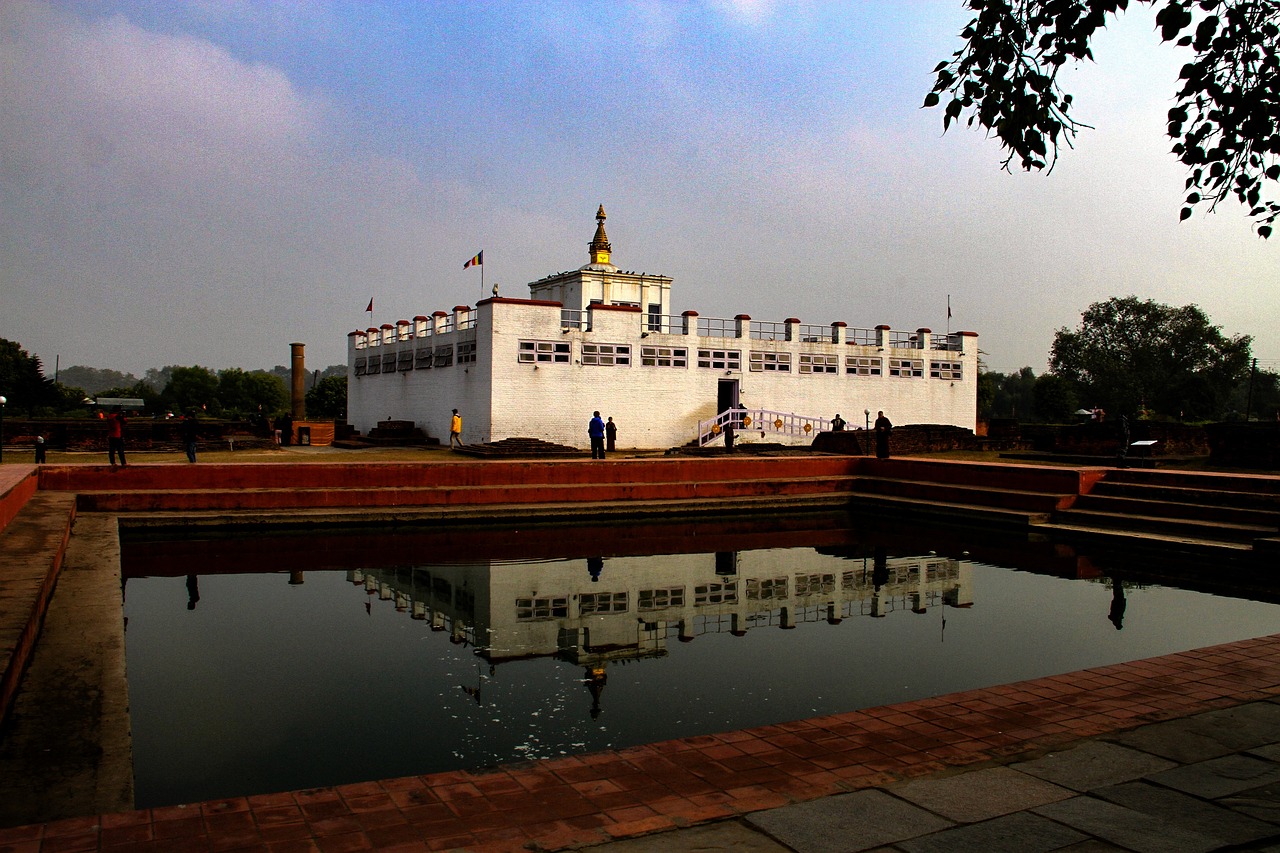
Lumbini, located in southwestern Nepal, is revered around the world as the birthplace of Siddhartha Gautama, Lord Buddha. Recognized as a UNESCO World Heritage Site, this sacred destination attracts pilgrims, spiritual seekers, and travelers interested in Buddhist history and philosophy.
The peaceful Sacred Garden features the Maya Devi Temple, the Ashoka Pillar, ancient archaeological remains, and the traditional marker associated with Buddha’s birthplace. The surrounding monastic zone contains monasteries and meditation centers established by Buddhist communities from different countries, reflecting the universal message of peace, compassion, and harmony.
A visit to Lumbini offers a meaningful spiritual experience and an opportunity to explore one of the most important Buddhist pilgrimage destinations in the world.
Chitwan – Wildlife and Jungle Safari Adventures
Chitwan is one of Nepal’s leading destinations for wildlife viewing, nature exploration, and jungle safari experiences. Home to Chitwan National Park, a UNESCO World Heritage Site, the region protects a rich variety of wildlife and natural habitats in Nepal’s subtropical Terai lowlands.
The park is particularly famous for the greater one-horned rhinoceros and is also an important habitat for the elusive Bengal tiger, Asian elephants, crocodiles, deer, and numerous bird species. Depending on the season and local conditions, visitors can enjoy guided jungle walks, jeep safaris, canoe rides, and birdwatching excursions.
Beyond its wildlife, Chitwan offers opportunities to experience local Tharu culture, traditional villages, and the warm hospitality of the Terai region. A Chitwan jungle safari is an excellent addition to a Nepal holiday, combining nature, adventure, and cultural discovery.